Summer 25% discount on all last year's bike models

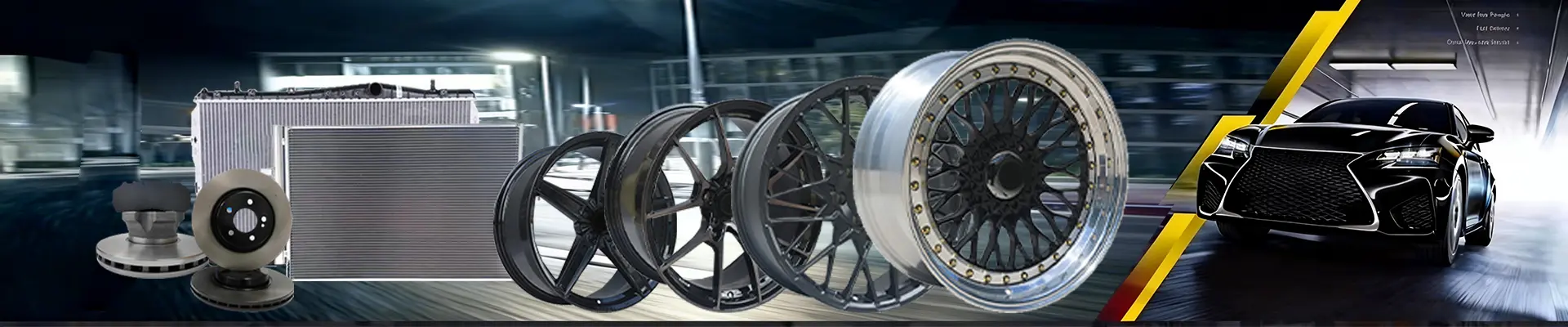
Alloy Wheels Price in Pakistan: 2026 Wholesale Supplier Guide

Alloy Wheels Price in Pakistan: 2026 Wholesale Supplier Guide
The cheapest per-piece quote you receive will almost certainly cost you more than the most expensive one once the container reaches Karachi Port.
Alloy wheels price in Pakistan is not determined by a single factory price list. The real cost drivers are material grade selection, surface treatment complexity, certification tier, and the often-ignored import duty structure. A wholesale buyer focusing only on the FOB number typically absorbs losses from quality failures, customs holds, and specification mismatches that wipe out any initial savings.
I remember standing on the inspection floor in Jinan years ago, watching a batch of machined-face wheels get pulled off the line because the clearcoat adhesion test failed at the flange edge. The factory next door was shipping an identical-looking wheel at a noticeably lower price — but they skipped that adhesion check entirely. A Karachi distributor later bought that cheaper batch. When the container doors opened at the port, nearly a third of the wheels had clearcoat peeling from humidity exposure during transit and storage. The entire shipment’s value was written off. That buyer didn’t have a pricing problem — he had a specification-matching problem that no price list could solve. [NEED_CITE: alloy wheel surface treatment failure modes in tropical humidity]
Understanding where alloy wheels price in Pakistan actually comes from requires looking past the quotation sheet entirely.
What Determines Alloy Wheels Price in Pakistan’s 2026 Market?
Three specification variables control the price range far more than wheel diameter does: alloy composition, surface treatment process, and certification level.
Most buyers assume a 17-inch wheel costs more than a 15-inch wheel, and stop there. But a 15-inch wheel with full mirror polishing and JWL certification can easily cost more than a basic 17-inch painted wheel with no certification at all. The material grade alone creates a wide gap — A356 aluminum alloy and 6061 aluminum alloy behave very differently under impact stress, and their raw material costs diverge accordingly. [NEED_CITE: A356 vs 6061 aluminum alloy mechanical property comparison for automotive wheels]
Surface treatment is where the price spread becomes dramatic. A standard gloss black paint finish sits at the bottom of the cost range. Machined face with a clear coat adds a machining step and a coating step. Full mirror polishing requires multiple buffing stages. Chrome plating involves electrochemical processing with strict environmental compliance costs. The gap between the simplest painted finish and a chrome-plated finish can represent a substantial portion of the total unit cost.
| Specification Factor | Budget Tier | Mid Tier | Premium Tier |
|---|---|---|---|
| Alloy Composition | Recycled blend, uncontrolled | Standard A356 | Certified A356 with traceable ingots |
| Surface Treatment | Basic paint, single coat | Machined face + clear coat | Mirror polish or chrome plating |
| Certification | None | VIA verified | JWL or TUV certified |
| Salt-Spray Endurance | Minimal | Noticeably extended | Substantially extended |
| Structural Warranty | Not provided | Standard coverage | Full multi-year coverage |
A Lahore modification shop once compared two suppliers side by side — one offering chrome-plated wheels and another offering painted wheels at a visibly lower price. The chrome finish carried a significant premium, but the shop discovered that in Pakistan’s humid climate, poorly executed chrome plating began showing oxidation within months. The painted alternative, while less flashy, held up far longer under the same conditions. The price difference between the two finishes was real, but the durability gap told a different story about true cost. [NEED_CITE: chrome plating vs powder coat durability in South Asian tropical climates]
When you evaluate alloy wheels price in Pakistan, the specification matrix above should be your starting reference — not the first number a supplier quotes you.
How Do You Calculate True Landed Cost from China to Pakistan?
The FOB price you see on a quotation represents only a portion of what you actually pay per wheel once it reaches your warehouse in Karachi or Lahore.
The full landed cost structure from a Chinese manufacturing hub to Pakistan includes multiple layers beyond the factory gate. Here is the sequence of cost additions that accumulate between the factory floor and your receiving dock:
- Ex-works factory price — the base manufacturing cost including material, labor, and factory overhead.
- Inland transport to port — trucking from the production facility to Qingdao or another departure port.
- Port handling and documentation fees — terminal handling charges, customs declaration fees at origin, and bill of lading costs.
- Ocean freight — sea shipping cost to Karachi Port or Qasim Port, which fluctuates with container availability and fuel surcharges.
- Pakistan import customs duty — the tariff assessed on alloy wheel imports, which varies by classification code and can represent a significant addition. [NEED_CITE: Pakistan customs duty rate schedule for aluminum alloy wheel imports]
- Port clearance and inland delivery — clearing agent fees, port storage if documentation is delayed, and trucking to your final warehouse.
Each of these layers adds to the per-piece cost. Buyers who compare only the FOB number and ignore the duty structure frequently find their actual per-unit cost far higher than projected. A container that looks profitable on the quotation sheet can turn marginal once duties, port fees, and inland transport are factored in.
I worked with a tire retailer who had sourced wheels based purely on the lowest FOB quote he received. He had not verified whether his supplier’s certification documents matched Pakistan’s import requirements. The shipment was held at port for weeks while documentation issues were resolved. By the time the wheels cleared customs, the seasonal selling window had passed entirely. The duty savings he thought he had secured were dwarfed by the missed revenue during the holding period. [NEED_CITE: Pakistan port documentation requirements for automotive wheel imports]
Which Quality Tiers Match Pakistani Market Demands?
Pakistan’s aftermarket is not a single market — it spans at least three distinct demand tiers, and each tier requires a different specification and certification level to serve profitably.
The budget tier serves rural areas and price-sensitive retail channels where basic appearance and fitment matter more than certification paperwork. Wheels in this tier typically carry no international certification, use standard painted finishes, and are priced to move in volume. The risk here is consistency — without certification oversight, batch-to-batch variation in balance and structural integrity can be unpredictable.
The mid tier targets urban retail shops and tire dealers in cities like Karachi, Lahore, and Islamabad. These buyers need wheels that look good on the showroom floor and can pass basic quality scrutiny from end consumers. VIA certification provides a verifiable quality baseline that gives retailers confidence when recommending products to customers. Surface finishes in this tier typically include machined face options and more durable clear coat applications.
The premium tier serves modification shops, OEM-adjacent contracts, and buyers who supply to discerning enthusiasts. JWL or TUV certification becomes essential here — not just as a marketing claim, but because these buyers’ customers expect documented quality assurance. Full mirror polish, chrome plating, and custom color matching are common in this tier, along with tighter tolerances on runout and balance specifications.
| Market Tier | Typical Buyer Profile | Certification Need | Surface Finish Range | Volume Pattern |
|---|---|---|---|---|
| Budget | Rural distributors, price-driven retail | None required | Basic paint, gloss black | High volume, low margin |
| Mid | Urban tire shops, auto parts retailers | VIA verified | Machined face, matte black, hyper silver | Steady restocking |
| Premium | Modification shops, OEM contracts | JWL or TUV | Mirror polish, chrome, full custom | Selective SKUs, higher margin |
A wholesale distributor in Faisalabad once ordered a full container of budget-tier wheels with no certification, intending to distribute across smaller cities. The price per piece was attractive. But when several retail partners complained about vibration issues that traced back to inconsistent machining tolerances, the distributor faced returns and reputation damage that cost several times the initial savings from choosing the uncertified source. Switching to a VIA-verified tier for his core SKUs eliminated the complaint pattern entirely. [NEED_CITE: VIA certification requirements for aftermarket alloy wheels]
Matching your specification tier to your actual customer base — rather than defaulting to the cheapest option across all SKUs — is what separates profitable importers from those who constantly fight quality fires.
What Hidden Costs Destroy Profit Margins for Pakistan Importers?
The most expensive mistakes in alloy wheel importing have nothing to do with the price you negotiated — they come from specification mismatches, certification gaps, and environmental durability failures that surface only after the container is opened.
Specification mismatch is the most common silent margin killer. A buyer orders a wheel based on a photo and a size number, without confirming offset, center bore diameter, bolt pattern, and load rating against the vehicle fitments his customers actually drive. When the wheels arrive and don’t fit the popular Toyota and Honda models in his market, he faces the cost of return shipping or deep discounting to clear inventory. The per-piece savings he captured by choosing the lowest quote evaporate entirely.
Certification gaps create a different kind of cost. Pakistan customs requires specific documentation for automotive wheel imports. If your supplier cannot provide the certificates that match the classification codes on your import declaration, your shipment sits at port. Storage fees accumulate daily. Clearing agents charge for extended handling. And if the holding period extends through a seasonal sales window — Ramadan, for instance — the revenue loss dwarfs any documentation-related cost savings from choosing a cheaper, less organized supplier. [NEED_CITE: Pakistan customs documentation requirements for alloy wheel import clearance]
Environmental durability failures are the third hidden cost, and the one that damages your reputation most directly. Pakistan’s coastal cities experience high humidity and salt-laden air. Wheels with inadequate clear coat protection or poorly executed chrome plating begin showing corrosion and coating separation within months of installation. End consumers trace the problem back to your shop. The cost of replacing defective wheels under warranty — or absorbing the loss to preserve customer relationships — routinely exceeds the initial price difference between a properly specified wheel and the cheapest alternative.
| Hidden Cost Category | How It Manifests | Typical Financial Impact |
|---|---|---|
| Specification mismatch | Wrong offset, bore, or bolt pattern for target vehicles | Full batch becomes unsellable or requires deep discounting |
| Certification gap | Missing or mismatched documents at customs | Extended port holding, storage fees, missed selling season |
| Environmental durability | Clearcoat peeling or chrome oxidation in humid conditions | Warranty replacements, reputation damage, customer attrition |
The pattern across all three categories is the same: the initial savings from choosing the lowest quote get multiplied into losses that are several times larger. Importers who invest time in verifying specifications, confirming certification documents before shipment, and demanding salt-spray test evidence for surface treatments consistently protect their margins far better than those who optimize purely on unit price.
How to Verify Supplier Claims Before Placing Orders?
Requesting verifiable test documentation before you commit to an order is the single most effective step to prevent port-side disasters and post-delivery quality failures.
A price list tells you what a supplier wants to charge. Test reports and certification documents tell you whether the product will actually perform as claimed. The verification process should cover three areas before any purchase order is issued:
-
Material certification — Ask for mill certificates or material test reports that confirm the aluminum alloy grade used. A supplier who can provide traceable material documentation is demonstrating control over their input quality. A supplier who deflects this request or offers only verbal assurance is introducing unnecessary risk into your order. [NEED_CITE: aluminum alloy material certification standards for automotive wheel manufacturing]
-
Salt-spray test reports — Surface treatment durability is not something you can judge from a photograph. Request third-party salt-spray test reports that show how many hours the finish endured before showing corrosion signs. This is especially critical for chrome-plated and mirror-polished wheels destined for humid markets. The report should come from an independent testing lab, not an in-house document with no external verification.
-
Third-party inspection evidence — Before the container is sealed, request video evidence of a pre-shipment inspection covering visual quality, balance checks, and packaging condition. A supplier who facilitates independent inspection is confident in their output. A supplier who resists or delays this step is signaling that their quality consistency may not match their claims.
I have seen the difference this verification discipline makes. A buyer who systematically requests these three documents before every order has never experienced a port hold due to documentation issues and has never received a batch with widespread surface defects. A buyer who skips verification to save time consistently encounters problems that cost far more than the time saved.
The verification step also naturally surfaces which suppliers maintain multi-certification systems — ISO, VIA, JWL, TUV — as part of their standard production process rather than as an afterthought. Suppliers who operate with this level of documentation discipline typically provide complete customs documentation packages, maintain structural warranty commitments, and have established export experience to South Asian markets. These are not marketing claims — they are operational habits that show up in the documents they provide without being asked twice.
Conclusion
Alloy wheels price in Pakistan is a function of specification alignment, not just factory quotation. Material grade, surface treatment, certification tier, and the full landed cost structure from China to your warehouse determine what you actually pay per wheel in your market. Importers who verify specifications, confirm certification documents, and demand test evidence before ordering consistently avoid the hidden costs that destroy margins for those who optimize purely on the lowest per-piece quote.


