Summer 25% discount on all last year's bike models

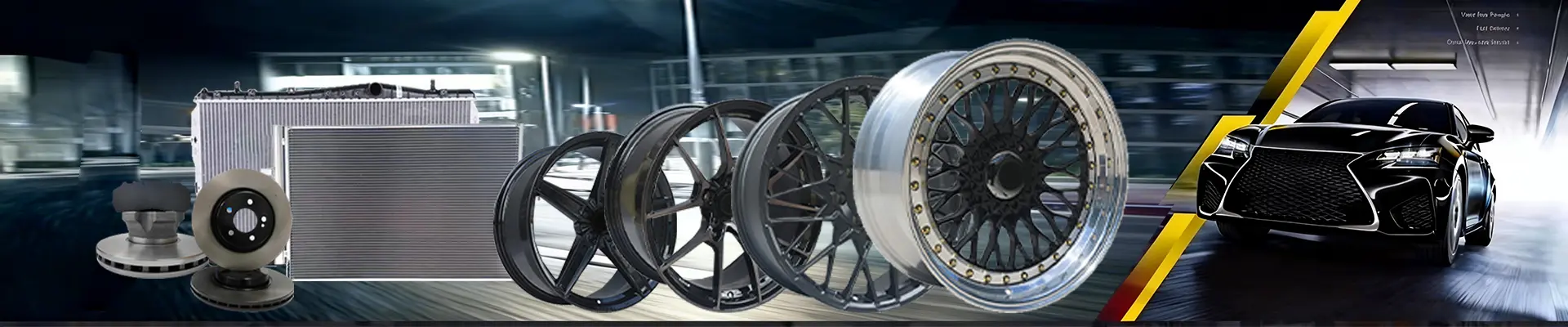
China Factory Direct Car Rims Supplier for Spain – Wholesale OEM Alloy Wheels

China Factory Direct Car Rims Supplier for Spain – Wholesale OEM Alloy Wheels
Most buyers think the lowest unit price wins the deal. The real cost trap hides in a hub bore tolerance that misses by half a millimeter.
Sourcing from a reliable Car Rims Supplier for Spain means prioritizing fitment database accuracy, European certification coverage (TUV/VIA/JWL), and factory-level mastery of local vehicle specs—over chasing the cheapest FOB quote.
I still remember the container that sat rotting at the port of Valencia. A Southern European buyer had ordered a full container of 20-inch machined-face wheels, a popular mesh design for the aftermarket. When customs opened the crates, the hub-centric bore was machined to the wrong diameter. The difference was less than a millimeter, but it meant every single wheel failed to seat properly against the hub. The entire shipment had to be returned to China. The reverse logistics and demurrage charges ended up costing several times the original purchase price. [NEED_CITE: common root causes of wheel fitment rejection at EU ports]
That kind of loss does not happen because the factory lacked capability. It happens because nobody cross-referenced the hub bore spec against the actual vehicle platform before production started. As someone who spent years on the buying side—sourcing 18-inch and 20-inch MAT-style and replica BBS wheels for modification shops in Spain—and later switched to the supplier side working across Southeast Asian markets, I have seen this pattern repeat. The buyers who succeed long-term do not pick a Car Rims Supplier for Spain based on price lists. They pick one based on parameter discipline.
Let me walk you through what actually matters when you are importing wheels into Spain.
What Fitment Parameters Make or Break a Shipment to Spain?
The Spanish aftermarket revolves around a narrow cluster of vehicle platforms. Get the hub bore, PCD, and offset wrong for even one of them, and your wheels become scrap metal.
Spain’s vehicle parc is dominated by a handful of nameplates that share underlying platforms across the Volkswagen Group and Renault-Nissan Alliance. The most common platforms you will encounter in wholesale orders include:
| Vehicle Platform | Hub Bore (mm) | PCD | Typical Offset Range | Center Cap Type |
|---|---|---|---|---|
| Seat Ibiza / Leon (MQB) | 57.1 | 5×112 | 35-45 | Snap-in / clip-on |
| VW Golf VII / VIII (MQB) | 57.1 | 5×112 | 38-48 | Snap-in / clip-on |
| Renault Clio / Megane | 66.1 | 4×100 / 5×114.3 | 38-45 | Push-in |
| Audi A3 / Q2 (MQB) | 57.1 | 5×112 | 35-45 | Snap-in / clip-on |
| BMW 3 Series (F30/G20) | 66.6 | 5×120 | 34-42 | Bolt-on center cap |
[NEED_CITE: European aftermarket wheel fitment database for Iberian market vehicles]
Notice something critical here. The Volkswagen Group MQB platform uses a 57.1mm hub bore with a 5×112 bolt pattern. Renault uses a 66.1mm bore. BMW uses 66.6mm. These are not interchangeable. A wheel machined at 57.1mm will not physically mount on a Renault hub without a hub-centric ring—and even then, the ring introduces a failure point that end users will reject in a premium aftermarket transaction.
I worked with a modification shop in Barcelona that needed wheels covering both Seat Leon and BMW 3 Series customers. They ordered two separate batches from a Car Rims Supplier for Spain who claimed "universal fitment capability." The first batch arrived with correct 57.1mm bore for the MQB cars. The second batch, intended for BMW applications, came with 57.1mm bore as well—because the factory had simply reused the same tooling setup without checking the order sheet. The shop had to eat the cost of machining the bore out on a lathe, which voided the structural warranty and created a safety liability.
The takeaway is simple: before you place any order, demand that the supplier confirms fitment parameters in writing against your exact vehicle application list. A competent Car Rims Supplier for Spain will have a fitment database covering European platforms and will flag discrepancies before production begins.
Which Certifications Actually Matter for the Spanish Market?
Having a TUV certificate on the wall means nothing if it does not cover the specific diameter, width, and offset you are ordering.
Spain follows European Union type-approval frameworks for aftermarket wheels. The certifications that carry real weight in this market are:
-
TUV (Technischer Überwachungsverein): Required for street-legal use in Germany and widely accepted across Southern Europe including Spain. TUV SÜD and TUV Rheinland are the two main bodies. The certificate must list each specific wheel model, diameter, width, offset, and vehicle application. [NEED_CITE: TUV wheel certification scope requirements per German KBA framework]
-
VIA (Vehicle Inspection Association): Japanese certification standard. Relevant if you are selling JDM-style wheels or targeting buyers who stock Japanese-market designs.
-
JWL (Japanese Light Alloy Wheel): Often paired with VIA. Indicates compliance with Japanese load and durability testing standards.
-
DOT (Department of Transportation): US standard. Not legally required for Spain, but some buyers request it for dual-market inventory flexibility.
-
ISO 9001 / IATF 16949: Quality management system certifications. These do not certify the wheel itself but indicate the factory has audited production processes.
Here is where most buyers get trapped. A factory will show you a TUV certificate and claim "we are TUV certified." But if that certificate covers a 17×7.5 ET45 wheel and you are ordering a 19×8.5 ET35 wheel in the same design family, the certificate does not apply to your product. You are selling a wheel that carries a certification it does not actually hold.
[NEED_CITE: TUV certificate scope verification for aftermarket alloy wheels]
A wholesale distributor in Madrid once showed me a TUV certificate from their Chinese supplier. The certificate was legitimate—issued by TUV SÜD, properly numbered, with the factory name matching. But when I cross-referenced the wheel models listed on the certificate against the distributor’s current catalog, fewer than half of the SKUs they were actively selling were actually covered. The rest had been added to production after the certificate was issued, without re-testing.
When evaluating a Car Rims Supplier for Spain, ask for the certificate and then ask for the appendix that lists every covered model, size, and offset. If the supplier cannot produce this documentation or gets defensive about the request, walk away. A legitimate manufacturer will have this organized and ready.
How Do You Evaluate Whether a Factory Can Actually Serve Spain?
Price lists are easy to compare. Fitment database depth, certification scope, and minimum order flexibility are the real differentiators.
After years of sourcing from both sides of the transaction, I have settled on four evaluation criteria that separate a functional Car Rims Supplier for Spain from a liability:
Fitment Database Completeness
The factory must maintain a structured database of European vehicle fitment parameters—not just a spreadsheet copied from an online forum. This database should include hub bore, PCD, center bore depth, bolt thread size, and offset range for each vehicle application. When you send an inquiry listing your target vehicles, the factory should respond with a confirmed fitment sheet before quoting price. If they ask you to "just tell us the size," they do not have the database.
Certification Coverage Alignment
As discussed above, the certifications must cover your actual product mix. A Car Rims Supplier for Spain with TUV, VIA, JWL, and ISO certifications is well-positioned—but only if those certifications span the sizes and styles you intend to order. Verify scope, not just existence.
Minimum Order Quantity Flexibility
The Spanish aftermarket is fragmented. Modification shops and small distributors often need to test new styles with small batches before committing to container volumes. A factory that insists on full-container MOQs for every order will force you into inventory risk. Look for a Car Rims Supplier for Spain that offers low MOQ options—down to a few dozen pieces for stock models—so you can validate market demand before scaling.
Lead Time Predictability
Standard production lead times for custom alloy wheels typically range from two to four weeks after sample approval. For stock models, immediate shipment may be possible. The critical factor is not the speed itself but the factory’s ability to hit the quoted date consistently. Ask for references from buyers in Europe who can confirm delivery performance.
A modification shop owner in Seville told me he switched suppliers three times before finding one that could reliably deliver small batches of staggered-fitment wheels—wider rear, narrower front—for his BMW and Mercedes customers. His previous suppliers either could not handle the mixed-offset orders or pushed MOQs so high that he ended up with dead stock in sizes that did not sell. His current Car Rims Supplier for Spain handles mixed-SKU containers with MOQs low enough that he can rotate inventory every few weeks without cash flow strain.
What Does the Ordering Process Actually Look Like?
A structured workflow from inquiry to container delivery protects both buyer and supplier from costly misunderstandings.
Here is the sequence I recommend when working with a Car Rims Supplier for Spain for the first time:
Step 1: Fitment Parameter Submission
Send the supplier a complete list of your target vehicle applications, including year, make, model, and trim level. Include the specific sizes and offsets you need. The supplier should return a written fitment confirmation before any pricing discussion.
Step 2: Sample Approval
For custom designs or new sizes, request physical samples. Inspect the hub bore with calipers, verify the bolt pattern with a template, and check the offset with a straight edge and ruler. Confirm the finish quality, center cap fitment, and packaging.
Step 3: Small Batch Trial
Before committing to a full container, place a trial order of a few dozen pieces across your key SKUs. This validates production consistency, packaging integrity during transit, and the supplier’s documentation accuracy (invoice, packing list, certificate of origin, TUV certificate copies).
Step 4: Container Order with Documentation Package
Once the trial batch is validated, place your full order. Ensure the supplier provides a complete documentation package including commercial invoice, packing list, bill of lading, certificate of origin, and copies of all applicable TUV/VIA/JWL certificates. Spanish customs will require these documents for clearance.
Step 5: Post-Delivery Verification
Upon arrival, inspect a random sample from the container. Verify hub bore dimensions, finish quality, and packaging condition. Report any discrepancies to the supplier immediately with photographic evidence.
[NEED_CITE: alloy wheel import documentation requirements for Spanish customs]
A European e-commerce seller once told me his return rate on wheels dropped dramatically after he started requiring fitment confirmation documents from his Car Rims Supplier for Spain before placing orders. Previously, he had been listing wheels based on generic size information and fielding customer complaints when the wheels did not fit specific vehicle trims. Now, he cross-references the supplier’s fitment data against manufacturer databases before going live, and his return rate on fitment-related claims fell to near zero.
Conclusion
The cheapest wheel is the one that fits, clears customs, and stays on the car.
Sourcing from a Car Rims Supplier for Spain is not a price competition. It is a parameter verification exercise wrapped in a certification compliance framework. Factories that maintain accurate fitment databases, hold verifiable TUV/VIA/JWL coverage for their actual product range, and accommodate low-MOQ trial orders will save you from the kind of losses that erase a year’s margin in a single container. Verify the data, audit the certificates, and start with a trial batch. The rest follows.


