Summer 25% discount on all last year's bike models

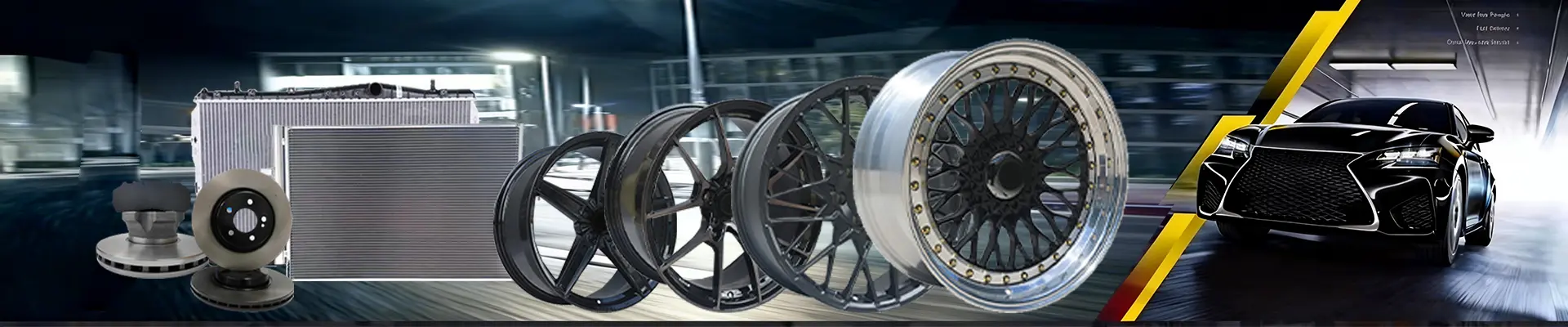
Alloy Wheel Supplier for Pakistan: China Factory Direct Wholesale

Alloy Wheel Supplier for Pakistan: China Factory Direct Wholesale
The cheapest per-piece quote often becomes the most expensive import decision once paint rework and port demurrage hit the Karachi ledger.
When sourcing from a China alloy wheel supplier for Pakistan, buyers must build acceptance criteria around paint inspection, bolt-pattern tolerance, certification alignment, and logistics lead time—rather than comparing unit prices alone.
I still remember a container of 17-inch matte black wheels bound for Karachi. Before loading, I checked only the outer cartons—everything looked sealed and clean. Forty days at sea later, the buyer opened the boxes at the port and found flow marks and orange peel across nearly a third of the pieces. He refused the lot and demanded air-freight replacements. The demurrage and re-shipment costs wiped out the margin we had built into the original price. [NEED_CITE: root cause analysis of coating defects amplified by maritime vibration and humidity] That single shipment taught me that spot-checking cartons is not quality control—it is a gamble. Since then, I inspect every single wheel before it goes into the container, regardless of what the purchase order says.
This guide breaks down the four verification pillars any serious buyer should apply when choosing an alloy wheel supplier for Pakistan, drawing on factory-floor experience rather than brochure claims.
How to Verify Paint Quality Before Shipment to Pakistan?
Piece-by-piece visual inspection combined with film-thickness measurement is the only reliable method to prevent port-level rejection.
Paint defects on alloy wheels—flow marks, orange peel, pinholes, or uneven gloss—rarely show up through closed cartons. Maritime transit exposes microscopic surface imperfections to sustained vibration and saline humidity, turning minor factory oversights into visible failures upon arrival. [NEED_CITE: correlation between pre-shipment coating inspection protocols and post-transit defect rates in automotive wheel shipments]
A structured three-step paint verification process works best:
- Visual inspection under standardized lighting: Each wheel is examined at close range under daylight-spectrum lamps. Inspectors look for runs, sags, dust inclusions, and color inconsistency across the face and barrel.
- Film-thickness measurement: A digital coating gauge checks paint depth at multiple points—face, spoke edges, barrel inner and outer. Readings must stay within the manufacturer’s specified tolerance band; deviations signal uneven curing or improper primer application.
- Cross-cut adhesion test (百格测试): A lattice pattern is scored into the coating, and adhesive tape is applied and pulled. Any flaking indicates poor paint-to-substrate bonding that will fail under brake heat and road debris.
A South Asian distributor once accepted a trial order based on sample photos alone. When the full container arrived, roughly a quarter of the wheels showed visible orange peel under direct sunlight—acceptable in a warehouse, unacceptable in a retail showroom. The supplier had relied on random carton sampling rather than full-piece inspection. The buyer spent weeks negotiating partial credit while his end-customers complained.
| Inspection Level | Defect Detection | Risk at Port |
|---|---|---|
| Outer carton only | Virtually none | High |
| Random piece sampling | Partial | Moderate |
| Full piece-by-piece with film-thickness | Comprehensive | Low |
The takeaway is simple: if your alloy wheel supplier for Pakistan cannot commit to full-piece inspection before loading, the unit-price savings will disappear at the destination port.
What Certifications Does Pakistan Customs Require for Alloy Wheels?
VIA, TÜV, and ISO certificates must match the physical markings on each wheel—document-only compliance is no longer sufficient at Karachi port.
Pakistan Customs has tightened verification of imported automotive parts over recent years, particularly for safety-critical components like alloy wheels. [NEED_CITE: Pakistan Customs import compliance requirements for automotive wheel assemblies and certification verification procedures] Officers now cross-check the certification marks stamped or engraved on the wheel against the paperwork. A certificate that exists only on paper, without corresponding physical markings, will trigger inspection holds or outright rejection.
The key certifications buyers should confirm:
- VIA (Vehicle Inspection Association): Japanese-origin standard widely recognized across South Asia for structural integrity under dynamic load.
- TÜV: German certification covering material composition, impact resistance, and fatigue endurance—increasingly requested by Pakistani buyers sourcing for premium aftermarket segments.
- ISO 9001: Quality management system certification for the manufacturing facility; necessary but not sufficient on its own.
- JWL: Often paired with VIA; indicates compliance with Japanese light-weight vehicle wheel standards.
A Middle East-based trading company once shipped a container to Karachi with all paperwork in order. At customs, the officer noticed that the TÜV logo on the certificate did not match the engraving on the wheel spokes—the supplier had used a generic stamp rather than the client’s registered mark. The container sat at the port for weeks, accumulating demurrage charges that exceeded the original profit margin.
| Certification | Physical Mark Required | Customs Risk Without Mark |
|---|---|---|
| VIA | Yes | High |
| TÜV | Yes | High |
| ISO 9001 | Facility-level, not per-piece | Low |
| JWL | Yes | Moderate |
When evaluating an alloy wheel supplier for Pakistan, always request photos of the actual certification markings on production wheels—not just scanned certificates.
How to Compare MOQ, Lead Time, and Pricing Across China Suppliers?
Factory-direct pricing advantages only convert into real profit when paired with realistic production timelines and flexible minimum order quantities.
The gap between factory-direct pricing and branded wholesale pricing is substantial—often ranging from forty to sixty percent below Japanese or European brand equivalents. [NEED_CITE: price differential analysis between Chinese factory-direct alloy wheels and branded aftermarket equivalents in South Asian import markets] But that gap means nothing if the supplier demands unworkable MOQs, misses delivery windows, or cannot accommodate mixed-specification trial orders.
Buyers should compare suppliers across three dimensions simultaneously:
- MOQ flexibility: Stock models with low minimums allow buyers to test multiple sizes and finishes without overcommitting capital. Custom designs naturally require higher thresholds due to mold and setup costs.
- Production lead time: A realistic window ensures the buyer can plan container bookings and avoid stockouts. Rushed production correlates directly with the paint and balance defects discussed earlier.
- Pricing structure: Transparent factory-direct pricing should be verifiable against material and finishing costs. Opaque quotes that bundle hidden charges defeat the purpose of sourcing direct.
A modification shop in Lahore wanted to test three different finishes—matte black, gunmetal, and hyper silver—across two popular fitments. One supplier insisted on full-container MOQs per SKU, making the trial financially impossible. Another offered mixed-SKU flexibility with a reasonable per-piece minimum, allowing the shop to validate market demand before scaling. The second supplier’s slightly higher unit price was irrelevant; the first supplier’s MOQ structure killed the deal before it started.
| Comparison Factor | Rigid Supplier | Flexible Supplier |
|---|---|---|
| MOQ for stock models | Full container per SKU | Low piece-level minimum |
| Lead time reliability | Uncontrolled | Controlled |
| Mixed-SKU trial orders | Not provided | Available |
For buyers new to importing, starting with a flexible alloy wheel supplier for Pakistan reduces trial-and-error costs dramatically.
Which Sizes and Finishes Sell Best in the Pakistan Aftermarket?
Fifteen to seventeen-inch wheels in matte black and gunmetal dominate volume sales, while eighteen to twenty-inch modified styles deliver higher margins but slower turnover.
Pakistan’s aftermarket wheel demand reflects the country’s vehicle parc composition—dominated by Toyota, Honda, Suzuki, and Hyundai passenger vehicles—and a growing enthusiast segment willing to pay for visual impact. [NEED_CITE: South Asian aftermarket alloy wheel size and finish preference trends based on import registration data] Understanding which specifications move fast and which sit in inventory is critical for cash-flow management.
The market breaks into two clear tiers:
- Volume movers (15-17 inch): These sizes fit the majority of popular sedans and compact SUVs. Matte black and gunmetal finishes account for the bulk of retail demand. Buyers should prioritize consistent supply and competitive pricing in these specifications.
- Margin builders (18-20 inch): Larger diameters serve the modification and luxury-look segment. Deep concave profiles, mesh patterns, and machined-face finishes command premium pricing but sell in smaller quantities. Inventory risk is higher.
A wholesale distributor in Karachi reported that his fastest-moving SKUs were 17-inch matte black wheels for Toyota Corolla and Honda Civic fitments. His highest per-piece margins came from 19-inch staggered setups for SUV modifications—but those moved only a few sets per month. Balancing the two categories in each order kept his warehouse profitable without tying up capital in slow stock.
| Size Range | Market Role | Turnover Speed |
|---|---|---|
| 15-17 inch | Volume mainstream | Noticeably fast |
| 18-20 inch | Premium modification | Substantially slower |
An experienced alloy wheel supplier for Pakistan will carry broad size coverage and maintain现货 inventory in the high-velocity finishes, enabling buyers to order mixed containers without waiting for production on every SKU.
How to Structure Your First Trial Order to Minimize Risk?
Begin with a small mixed-specification order to validate quality, fitment, and market response before committing to full-container volumes.
The biggest mistake first-time importers make is placing a large order based on catalog photos and price lists alone. Photos do not reveal paint texture, bolt-pattern accuracy, or dynamic balance quality. Only physical pieces in hand can confirm whether the supplier’s output matches your standards and your customers’ expectations.
A disciplined trial-order approach follows these steps:
- Select a small piece-level quantity: Enough to fill pallets but not a full container. This limits financial exposure while providing sufficient samples for real-world testing.
- Mix sizes and finishes: Include the volume movers and one or two margin builders. This tests the supplier’s range and gives you market-feedback data across segments.
- Inspect every piece on arrival: Use the paint verification process described earlier. Check bolt patterns with fitment templates. Run dynamic balance checks on a sample.
- Install on test vehicles: Real-world fitment reveals ET offset issues, caliper clearance problems, or hub-centric ring requirements that static inspection cannot catch.
- Gather end-customer feedback: Modification shops and retail buyers will notice details that import inspectors might miss—their input is invaluable before scaling.
A retail chain in Southeast Asia followed this approach with a new China-based source. Their initial trial order of mixed 17-inch and 18-inch wheels revealed that one finish had slightly inconsistent gloss under showroom lighting. They adjusted the specification before placing a full-container order, avoiding a costly bulk rejection.
Starting small with a responsive alloy wheel supplier for Pakistan turns uncertainty into data—and data into confident scaling decisions.
Conclusion
Unit price is the least reliable indicator of true import cost. Paint quality, certification alignment, MOQ flexibility, and size-finish market fit collectively determine whether an alloy wheel import generates profit or loss. Buyers who verify every piece, match certifications to physical markings, and structure trial orders wisely will build sustainable supply chains from China to Pakistan.


