Summer 25% discount on all last year's bike models

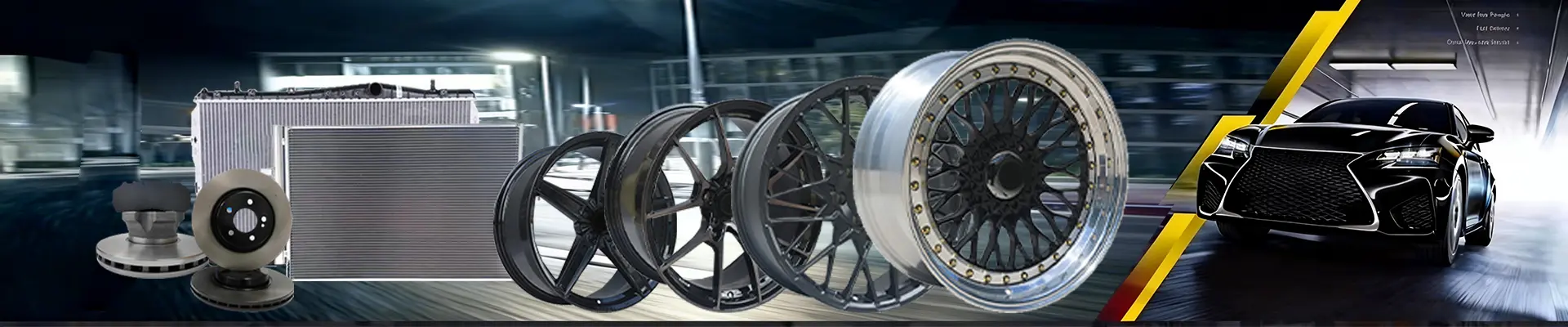
Alloy Wheel Rims 12-24 Inch Wholesale Supplier Factory Price

Alloy Wheel Rims 12-24 Inch Wholesale Supplier Factory Price
Most buyers fixate on the FOB quote, only to discover later that surface finish and certification requirements moved the per-piece cost by a third before the first container even left the port.
In 2026, Wheel Rims Price in Malaysia is determined by four overlapping layers: rim diameter tier, surface finish complexity, certification depth, and order volume stacking. Factory-direct sourcing from established Chinese production belts typically delivers landed costs noticeably lower than purchasing through local distributors, provided the buyer verifies certification validity and lead-time discipline.
I still remember a shipment that nearly went sideways years ago. A tuning shop owner in Southeast Asia wanted deep-concave 20-inch rims with a mirror-polished lip and a gloss-black center. The FOB number looked clean on paper. What nobody flagged early was that the mirror-polish step alone added a full extra production cycle compared to standard machined-face finishing, and the VIA paperwork for his market had lapsed at the factory. By the time we re-quoted properly, the price gap between his expectation and reality was wide enough to kill the deal. That kind of mismatch happens constantly when buyers treat wheel pricing like a single-number game. [NEED_CITE: surface finish cost hierarchy in alloy wheel manufacturing]
Let me walk you through what actually drives the numbers, so your next inquiry lands on a realistic budget instead of a surprise invoice.
What Determines Wheel Rims Price in Malaysia in 2026?
Four variables stack on top of each other before any single rim price is locked in: size tier, surface treatment, certification scope, and volume commitment.
Size is the most visible factor. A 15-inch rim for a compact sedan uses less aluminum, occupies less container space, and runs through standard machining cycles. A 22-inch rim for a luxury SUV demands a larger billet, longer heat-treatment time, and more careful handling to avoid cosmetic defects. The raw material delta is real, but it is only the starting point.
Surface treatment is where most first-time importers get burned. A basic gloss-black paint job and a full chrome plating process sit at opposite ends of the cost spectrum. Chrome involves multiple electroplating baths, strict wastewater compliance, and extended curing. The price difference between these two finishes on the same rim diameter can be substantial enough to shift a buyer’s entire product positioning. [NEED_CITE: electroplating versus powder coating cost structure in alloy wheel production]
Certification depth matters more than many buyers realize. A rim stamped with JWL or VIA for the Japanese aftermarket, or TÜV for European distribution, carries testing and audit costs that basic unbranded rims simply do not bear. Factories producing multi-certified wheels maintain tighter process controls and documentation trails, which shows up in the unit price but protects the buyer from customs seizures or liability claims downstream. [NEED_CITE: JWL VIA TÜV certification cost impact on alloy wheel unit pricing]
Volume commitment determines which price tier the factory assigns. A trial order of a few dozen pieces runs through the same setup and quality gates as a full container, but the fixed costs spread across far fewer units. Buyers who understand this dynamic plan their SKU mix to hit meaningful volume thresholds rather than scattering across too many styles at low quantities.
How Does Size Impact Pricing Across the 12 to 24 Inch Range?
Each step up in diameter tier raises per-piece cost noticeably, but the reduction in container loading density means the per-unit freight share climbs as well.
Think of the size spectrum in four practical bands. The 12 to 15-inch range covers most entry-level passenger cars and commercial vans. Rims here are lightweight, stack efficiently, and a single 40-foot high-cube container holds a large number of pieces. Per-piece pricing sits at the floor of the range.
The 16 to 18-inch band is the volume heartland for mid-size sedans, crossovers, and popular SUVs across Southeast Asian markets. Styles diversify here: multi-spoke, mesh, moderate concave. Container loading remains efficient, and this is where most wholesale buyers concentrate their SKU depth. [NEED_CITE: dominant rim size distribution in Southeast Asian aftermarket]
The 19 to 22-inch tier serves luxury SUVs, performance sedans, and pickup trucks. Rim weight increases, machining time extends, and the risk of cosmetic rejection during inspection rises. Containers hold fewer pieces, so the freight allocation per unit grows even if the ocean freight rate stays constant.
The 23 to 24-inch range is niche: high-end modified vehicles, show cars, and select off-road applications. Production runs are short, setups are frequent, and the per-piece cost reflects that reality.
| Diameter Tier | Typical Application | Container Loading Density | Relative Per-Piece Cost |
|---|---|---|---|
| 12-15 inch | Compact cars, vans | High | Base level |
| 16-18 inch | Sedans, crossovers, SUVs | Moderate-High | Noticeably above base |
| 19-22 inch | Luxury SUVs, performance | Moderate | Substantially higher |
| 23-24 inch | Modified, show, off-road | Low | Premium tier |
A wholesale buyer in Kuala Lumpur once told me he wanted to stock only 20-inch rims because his customers "only ask for big wheels." When we ran the numbers across a mixed-size container, the 17-inch and 18-inch SKUs he had dismissed were carrying his margin. The 20-inch pieces sold well but moved slower, and the per-unit landed cost was high enough that a single damaged batch during inland transport would erase months of profit. Diversification is not just a catalog strategy; it is a cost-averaging tool.
Which Surface Finish Adds the Most Cost?
Electroplated chrome finishes cost multiples of a standard painted finish on the same rim, while matte and gunmetal options deliver strong visual appeal at a fraction of that premium.
The finish hierarchy, from most expensive to most economical, runs roughly like this: full chrome plating sits at the top, followed by mirror polishing, then brushed or machined-face treatments, then standard gloss or metallic paint, with matte and textured finishes at the accessible end.
Chrome plating requires the rim to pass through copper, nickel, and chromium baths in sequence, with rigorous rinsing and inspection between each stage. Environmental compliance costs for wastewater treatment have risen across all major production regions in recent years, and those costs flow into the unit price. [NEED_CITE: environmental compliance cost impact on chrome-plated alloy wheel pricing]
Mirror polishing is labor-intensive. Skilled workers hand-finish each rim to eliminate any visible machining marks. The defect rejection rate is higher because even minor surface imperfections become obvious under showroom lighting.
Machined-face finishes, where a CNC lathe cuts a bright reflective surface on selected spokes or lips, offer a premium look without the full chrome cost. The rim is then clear-coated for protection. This is a sweet spot for many aftermarket programs targeting enthusiasts who want visual impact without chrome-level pricing.
Matte black, gunmetal grey, and bronze tones are typically applied through powder coating or liquid paint with a matte clear topcoat. These finishes are forgiving during production, hide minor surface variations well, and pair effectively with the bold spoke designs popular in the modification scene.
| Finish Type | Production Complexity | Visual Impact | Cost Tier |
|---|---|---|---|
| Full Chrome | High | Maximum | Premium |
| Mirror Polish | High | Maximum | Premium |
| Machined Face with Clear | Moderate | High | Mid-High |
| Gloss Metallic Paint | Moderate | High | Mid |
| Matte / Gunmetal / Bronze | Low-Moderate | High | Accessible |
A modification shop in Johor Bahru tested three finishes on the same 18-inch mesh design: chrome, machined-face, and matte gunmetal. The chrome version drew attention at the showroom but took longer to sell because the retail price pushed it into a narrower buyer segment. The gunmetal version became the steady mover, balancing visual appeal with a price point that encouraged impulse upgrades during tire changes.
How to Calculate Landed Cost for Wholesale Import into Malaysia?
FOB price is only the starting line; ocean freight, import duty, customs clearance, and inland transport combine to add a meaningful layer before the rim reaches your warehouse.
Many buyers compare suppliers purely on the FOB number and assume the cheapest quote wins. In practice, the landed cost picture can look quite different once all components are accounted for.
Ocean freight from major Chinese ports to Port Klang fluctuates with seasonal demand and carrier capacity. A 40-foot high-cube container is the standard unit, and the number of rims it holds depends on diameter, width, and stacking method. Smaller diameters pack tighter, which lowers the per-unit freight share.
Malaysia’s import duty structure for alloy wheels varies based on classification and origin. Buyers should verify the current HS code treatment and any applicable safeguard duties before finalizing a purchase plan. [NEED_CITE: Malaysia import duty rate for alloy wheel rims under current HS code]
Customs clearance involves documentation fees, port handling charges, and potential inspection costs if the shipment triggers a compliance check. Delays at this stage generate demurrage charges that accumulate quickly.
Inland transport from the port to your warehouse, whether in the Klang Valley, Penang, or Johor, adds another layer. Fragile goods like polished rims require careful handling, and damage claims during this leg are more common than buyers expect.
The practical approach is to build a simple landed-cost model before placing an order: take the FOB unit price, add the allocated freight per piece based on container loading, add the duty percentage, add a fixed clearance and inland allocation, and compare that final number across suppliers. The supplier with the lowest FOB quote is not always the lowest landed-cost option once these variables are in play.
Where to Source Factory-Direct Wheel Rims for the Malaysia Market?
Sourcing directly from established production facilities in China’s Shandong manufacturing belt delivers meaningful cost savings versus buying through trading intermediaries, provided the buyer verifies certification validity, production capacity, and lead-time discipline.
The Shandong peninsula, particularly around cities like Jinan and Qingdao, concentrates a dense cluster of alloy wheel manufacturers with decades of export experience. These facilities serve aftermarket distributors, modification brands, and OEM programs across multiple regions.
When evaluating a factory-direct Wheel Rims Price in Malaysia proposition, focus on a few concrete checkpoints. First, confirm that the supplier holds current, verifiable certifications for your target market. JWL and VIA matter for Japanese-spec programs, TÜV for European-bound goods, and DOT for any US-market exposure. Ask for the actual certificate documents and cross-check the scope.
Second, assess production flexibility. A facility that can handle sizes from 12 inches through 24 inches across passenger, SUV, truck, and specialty applications gives you sourcing consolidation benefits. Managing relationships with multiple niche factories for different size ranges creates coordination overhead that erodes the theoretical price advantage.
Third, examine minimum order structures. Some factories advertise low MOQs but attach them to limited style selections or standard finishes only. If your program requires custom colors, specific PCD configurations, or branded center caps, confirm the real MOQ for those specifications upfront.
Fourth, evaluate documentation and export discipline. Proper commercial invoices, packing lists, certificates of origin, and test reports should flow smoothly. Inconsistent documentation creates customs friction that costs time and money.
A distributor in Selangor shifted from buying through a Hong Kong trading company to working directly with a Shandong-based manufacturer. The per-piece price dropped noticeably, but the bigger gain was in communication speed. Technical questions about fitment, finish samples, and production scheduling moved in hours instead of days. Over a full year of orders, that responsiveness prevented several potential stockout situations during peak selling periods.
Conclusion
Wheel Rims Price in Malaysia reflects the combined weight of diameter tier, surface finish choice, certification requirements, and order volume, not just a single factory quote.
Buyers who build a complete landed-cost model, verify certifications independently, and source from facilities with proven multi-size production capability position themselves to capture real cost advantages while avoiding the hidden expenses that erase theoretical savings on paper.


