Why Automotive Aftermarket Distribution Matters in Auto Aftermarket
Factory-direct pricing looks like a bargain on paper, but hidden customs fees and port detentions routinely erase the margin before the cargo even reaches the warehouse.
In the Latin American auto aftermarket, relying solely on factory-direct shipping without a robust regional distributor turns factory price advantages into hidden logistical and customs costs, making localized automotive aftermarket distribution the only viable path to terminal profitability.
Back when I was deburring alloy wheels on the shop floor in Jinan, I knew absolutely nothing about the realities of regional supply chains. Years later, when pitching the Mexican market, I decided to bypass intermediaries and shipped a full container of modified rims straight to a few street-level tuning shops in Monterrey. I assumed the factory-direct price would win them over instantly. Instead, the customs documentation did not match the local homologation requirements. The cargo sat at the port for weeks, accruing daily detention fees, and I eventually had to dump the entire shipment at a massive loss to a local wholesaler just to clear the dock. Watching that container sit behind the chain-link fence was a brutal reality check. In this region, without a solid partner handling consolidated warehousing and terminal penetration, the initial price advantage gets entirely swallowed by operational friction. [NEED_CITE: root causes of port delays and customs compliance failures in emerging auto markets]
This disconnect between factory pricing and landed reality is exactly why automotive aftermarket distribution remains the critical bottleneck for brands trying to scale in Latin America.
Why Does Factory-Direct Shipping Often Fail in LatAm?
Mismatched customs documentation and rigid port protocols routinely cause delays that completely negate the initial factory price advantage.
When you ship directly to end-users or small buyers across multiple Latin American countries, you are not just paying for freight; you are navigating a fragmented web of local import regulations. Each country has specific homologation and documentation requirements for automotive parts. A single missing stamp or a slight discrepancy in the commercial invoice can lock a container at the port for weeks.
During my early days trying to supply the Mexican market directly, I learned that port authorities do not care about your factory-direct pricing model. They care about paperwork. The daily demurrage and storage fees quickly compound. What started as a highly competitive landed cost turned into a mid-six-figure financial bleed. The buyers at the street-level shops could not wait, and the local wholesaler who eventually bought the dumped inventory knew exactly how much leverage they had.
This is not an isolated incident. Many brands assume that cutting out the middleman automatically guarantees higher margins. However, the reality of cross-border freight in this region tells a different story. Without localized expertise to manage these compliance hurdles, the theoretical savings of direct shipping vanish into administrative penalties. [NEED_CITE: statistical impact of customs documentation errors on freight dwell times in Latin American ports]
Automotive aftermarket distribution solves this by acting as a regulatory buffer. A competent regional partner understands the specific import codes, safety certifications, and tax structures required by local authorities. They ensure that the paperwork is flawless before the vessel even departs the origin port, transforming a potential logistical nightmare into a predictable supply chain event.
How Does Consolidated Warehousing Eliminate Hidden Costs?
Regional hubs buffer inventory and drastically cut per-unit freight by consolidating shipments, turning volatile direct-shipping costs into predictable operational expenses.
The second major trap of the factory-direct model is the inability to optimize freight volume for individual small buyers. Street-level tuning shops and local retailers rarely have the capital or space to order full container loads of alloy wheels. If a factory ships less-than-container loads directly to multiple small shops, the per-unit freight cost skyrockets, and the risk of damage or loss during multiple transit handoffs increases exponentially.
Consolidated warehousing changes this dynamic entirely. By shipping full container loads to a centralized regional hub, the distributor absorbs the bulk freight cost. From this hub, the automotive aftermarket distribution network can break down the bulk shipment into smaller, manageable batches for local dispatch.
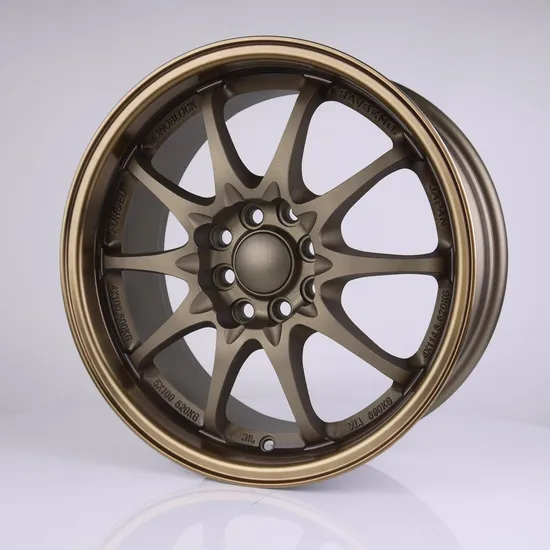
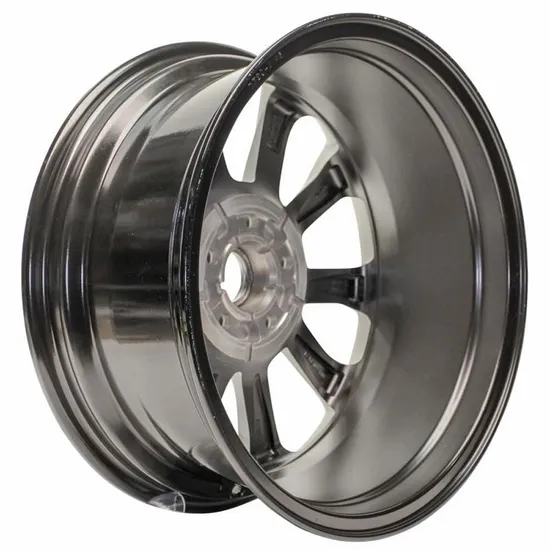
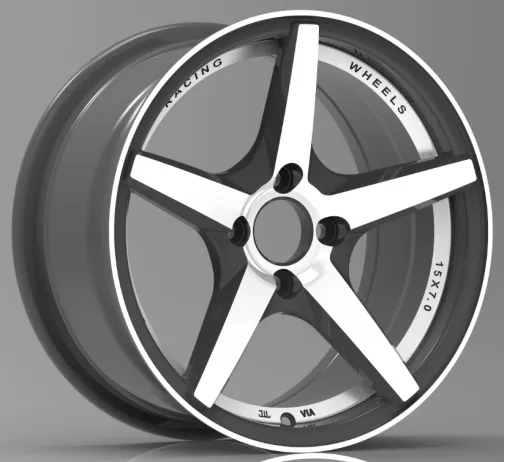
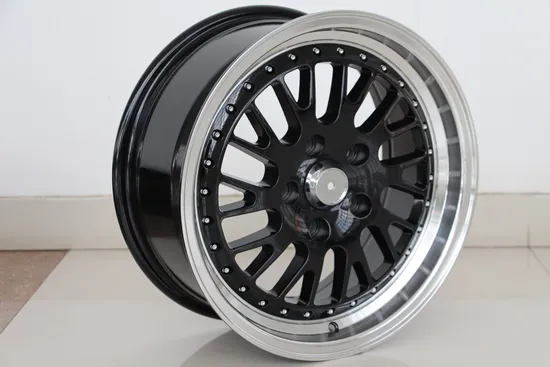
I have seen the contrast firsthand. When I tried to fulfill small orders directly from China to various shops across the region, the logistics ate up the margin, and the lead times were wildly inconsistent. In contrast, a well-structured regional hub maintains a buffer stock of high-turnover sizes and finishes. When a local shop needs a specific set of machined face or matte black rims, the distributor pulls from local inventory rather than waiting for a trans-oceanic voyage. This shifts the cost structure from variable, high-risk direct shipping to a fixed, optimized warehousing model. [NEED_CITE: cost-benefit analysis of consolidated warehousing versus direct less-than-container shipping in regional auto parts markets]
Furthermore, a centralized hub allows for better quality control and warranty management. If a batch of wheels has a minor surface defect, it is caught at the regional hub before it reaches the end consumer, protecting the brand’s reputation locally. This level of inventory control is simply impossible when relying on fragmented direct shipments.
What Role Do Distributors Play in Terminal Penetration?
Local partners bridge the critical gap to street-level tuning shops that require low minimum order quantities and rapid inventory rotation.
Terminal penetration is where the rubber meets the road. The Latin American modification scene is vibrant, driven by countless independent tuning shops, tire retailers, and 4S dealerships. These businesses operate on tight cash flows and limited storage space. They do not want to buy a hundred pieces of a single style; they want to buy five pieces of ten different trendy styles to keep their showroom diverse and responsive to local enthusiast trends.
Large international wholesalers often fail here because their business models are built for high-volume, low-mix container sales. They lack the infrastructure and the patience to handle the fragmented, low-MOQ demands of the street-level market. This is where specialized automotive aftermarket distribution becomes indispensable.
Local distributors understand the cultural and commercial nuances of their specific territories. They know which mesh or multi-spoke designs are trending in Monterrey versus Sao Paulo. They offer the flexibility to mix sizes and finishes within a single order, providing the exact SKU-level variety that local shops need to upsell effectively.
When I was struggling to sell directly, I could not offer the flexibility these shops demanded. I was locked into full-container thinking. A strong local distributor, however, acts as an extension of the factory’s sales team. They provide technical support, handle local marketing, and build relationships with the installers who actually influence the end consumer’s purchasing decision. [NEED_CITE: market research on terminal penetration strategies and low-MOQ flexibility in emerging auto aftermarket regions]
By supporting these local partners with consistent stock and responsive communication, a brand can achieve deep market penetration that direct shipping could never accomplish. The distributor becomes the vital link between global manufacturing capacity and local consumer demand.
How to Evaluate a Distribution Partner for Alloy Wheels?
Prioritize customs expertise, warehousing capacity, and local network depth to ensure your brand thrives at the terminal level.
Selecting the right partner for automotive aftermarket distribution is not just about finding someone who can move boxes. It requires evaluating their ability to navigate the specific complexities of the auto parts sector.
First, assess their customs and compliance expertise. Do they have a proven track record of clearing automotive components without delays? They must understand the intricacies of regional certifications and documentation. A partner who cannot guarantee smooth customs clearance is a liability, regardless of how cheap their warehousing rates are.
Second, evaluate their warehousing infrastructure and inventory management capabilities. Do they have the space and the systems to handle a diverse range of alloy wheel sizes and finishes? Can they provide real-time visibility into stock levels? A partner with robust consolidated warehousing will ensure that your products are always available for immediate local dispatch, eliminating the stockouts that drive buyers to competitors.
Third, look at the depth of their local network. Do they have established relationships with the key tuning shops, tire retailers, and e-commerce sellers in their* actively push your products, provide market feedback, and help you tailor your offerings to local preferences.
When evaluating potential partners, look for alignment in operational standards. For instance, a reliable manufacturing source should support its distributors with complete customs documentation, predictable lead times of 15-30 days, and flexible minimum order quantities starting from 20 pieces for stock models and 100 for custom designs. This level of support empowers the distributor to serve the terminal market effectively, ensuring that the entire supply chain remains agile and responsive. [NEED_CITE: criteria for selecting and evaluating regional distribution partners in the global auto parts industry]
Ultimately, the right automotive aftermarket distribution partner transforms your factory’s production capacity into a dominant local market presence. They absorb the logistical friction, allowing you to focus on what you do best: manufacturing high-quality wheels.
Conclusion
Factory-direct illusions shatter against the reality of Latin American customs and fragmented terminal demand.
True market penetration requires a localized automotive aftermarket distribution strategy that leverages consolidated warehousing to eliminate hidden freight costs and empowers local partners to serve the low-MOQ needs of street-level tuning shops, turning theoretical price advantages into actual terminal profitability.