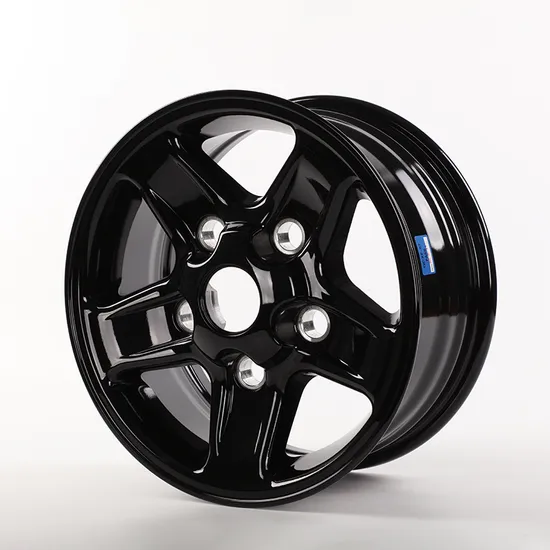
Vehicle Assembly Parts Procurement: Wholesale Manufacturer & OEM
A flawless CAD drawing means absolutely nothing if the machining process cannot hold the ET value tolerance on the production floor.
Successful vehicle assembly parts procurement relies on strict tolerance control and multi-certification compliance rather than just chasing the lowest unit price. Buyers must prioritize verifiable machining consistency and global certification standards over marginal per-piece savings to avoid catastrophic assembly failures and massive return costs.
I still remember the scene at the SEMA Show in Las Vegas a few years ago. A California tuning shop owner was standing at a booth, using digital calipers to obsessively measure the backspacing of an OEM-style alloy wheel. He was furious. His previous supplier had delivered a batch where the ET value deviated by a couple of millimeters from the drawing. When mounted, the wheels caused severe steering vibrations at highway speeds. That specific deviation direction completely ruined the suspension geometry. It hit me hard. Early in my career, I worked as a quality inspector on the shop floor, spending my days staring at dynamic balancing machines. Later, I transitioned to foreign trade, running booths at exhibitions across Europe and the Americas. I know exactly the hidden cost of those "two millimeters." When we discuss vehicle assembly parts procurement today, I never quote the bottom line first. I sit down with buyers and verify JWL and TUV certification parameters. OEM manufacturing is not about competing over blueprints; it is about competing over the tolerance control of the machining process. This is far more critical than saving a few dollars per unit [NEED_CITE: root cause distribution of wheel assembly failures related to dimensional deviations].
The reality of the aftermarket and OEM supply chain is that poor tolerance causes return costs that multiply the initial savings. Let us break down how to navigate this complex landscape.
Why Tolerance Control Matters More Than Unit Price?
Most buyers assume that a cheaper unit price saves money; in reality, poor tolerance causes massive return costs and brand damage.
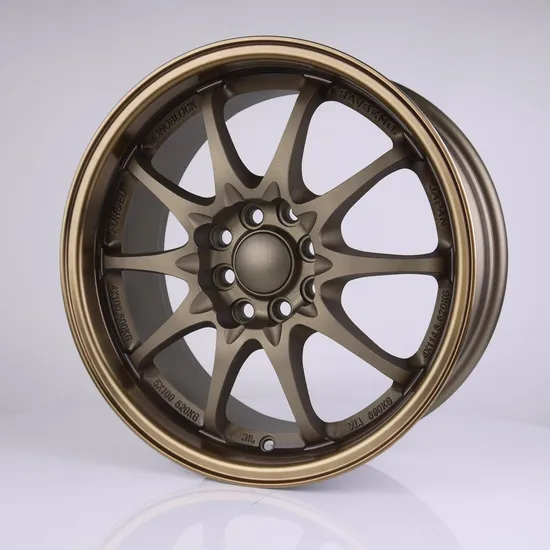
When sourcing alloy wheels and accessories, the initial invoice is just the tip of the iceberg. The true cost of vehicle assembly parts procurement lies in the assembly line efficiency and end-user safety. A common counter-intuitive view is that CAD drawings guarantee fitment. Truly, the machining process control dictates the real ET tolerance. If the hub bore or the mounting pad runout is uncontrolled, the wheel will not sit flush against the hub, leading to vibrations that no amount of dynamic balancing can fix [NEED_CITE: impact of mounting pad runout on vehicle dynamic balancing standards].
I once worked with a European tuning shop that switched to a cheaper supplier to improve their margins. The new wheels looked identical on the surface. However, the surface finish durability metrics were poor, and the clear coat peeled off after a single winter. Worse, the ET value tolerances were all over the place. They ended up paying for return shipping, replacing the wheels, and losing their clients’ trust. The mid-six-figure loss completely wiped out the savings from the lower unit price.
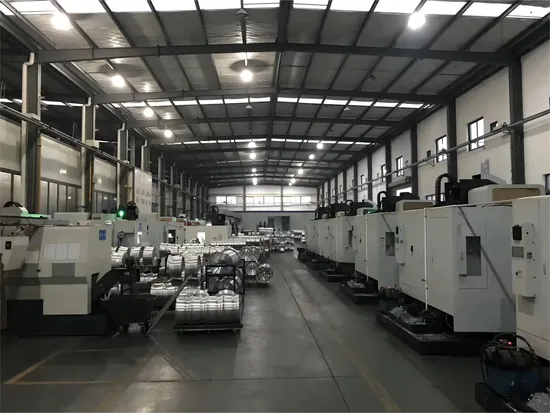
Strict machining prevents assembly failures. When evaluating a potential partner, you must look beyond the glossy catalog. Ask about their machining process control. Do they use automated CNC lathes with closed-loop feedback? How do they monitor the surface finish durability metrics? An OEM wheel manufacturer China with robust process control will naturally have higher overhead, but their vehicle assembly parts procurement value is realized in the field, where the wheels perform flawlessly for years.
How to Verify Certifications for Global Markets?
Demand JWL, TUV, and CCC documents before ordering, and verify their authenticity against the specific product SKU.
Navigating international standards is non-negotiable in vehicle assembly parts procurement. A JWL TUV certified auto parts supplier does not just hand you a piece of paper; they provide a traceable quality system. Many buyers make the mistake of accepting a generic certificate that covers the factory, not the specific wheel design they are ordering.
To verify certifications properly, you must cross-reference the test report with the physical product. The report should detail the dynamic radial fatigue test, the dynamic cornering fatigue test, and the impact test results for that exact diameter and width [NEED_CITE: testing protocols for alloy wheels per JWL and TUV international standards]. If a supplier hesitates or provides a blurred document, walk away.
Consider a distributor in the Middle East who needed to clear customs for a massive container load. They had purchased from a supplier who claimed TUV approval. Upon arrival, the customs authority requested the specific test report for the 20-inch staggered fitment. The supplier could only provide a certificate for a 17-inch model. The entire container was held at the port for weeks, incurring demurrage charges that cost several times the savings of the initial order.
A genuine JWL TUV certified auto parts supplier will have their documentation in order, covering ISO, VIA, TÜV, DOT, JWL, and CCC multi-certification for global market access. This ensures that whether you are shipping to the US, the Middle East, Latin America, SE Asia, or Africa, the vehicle assembly parts procurement process remains smooth and compliant.
What MOQ and Lead Times Fit Your Business Model?
Align your inventory turnover with flexible MOQ options and predictable production cycles to avoid overstocking or stockouts.
The business models in the automotive aftermarket are vastly different. An e-commerce seller testing a new SKU on Amazon needs a low MOQ for testing, perhaps just a few dozen pieces, to validate the market before committing to a full container. On the other hand, an OEM automotive manufacturer requires thousands of pieces with absolute consistency for new vehicle production.
A rigid supplier will force a high MOQ on a tuning shop, killing their cash flow, or will struggle to provide batch consistency for an OEM. The ideal partner for vehicle assembly parts procurement understands these nuances. They offer MOQs starting from a few dozen pieces for stock models, allowing e-commerce sellers and tuning shops to rotate inventory fast. For custom orders, the MOQ scales reasonably, ensuring that the setup costs are amortized without burdening the buyer.
Lead times are equally critical. A standard cycle of a few weeks allows businesses to align with their inventory turnover. If a supplier quotes months for a standard order, your capital is tied up in transit. If they quote days, they are likely holding substandard stock or cutting corners in the machining process.
Take the case of a US-based dropshipper. They needed to test a new deep concave mesh design. A flexible supplier allowed them to order a small batch with Amazon-ready packaging and private-label branding. Once the listings gained traction, they scaled up the order seamlessly. This agility in vehicle assembly parts procurement is what separates thriving businesses from those stuck with dead stock.
How to Ensure Batch Consistency for Bulk Orders?
Standardize machining processes and enforce strict quality gates to achieve a near-perfect batch match rate for container loads.
When a distributor orders a container load of alloy wheels, the last thing they want is to find that the first pallet looks slightly different from the last. Batch consistency is the backbone of wholesale distribution. If the surface finish varies from hyper silver to a slightly different shade of gunmetal, or if the spoke thickness varies, the end-user will notice, and the distributor’s reputation will suffer.
Achieving a near-perfect batch match rate requires more than just a good painter. It demands standardized machining processes and rigorous quality control at every stage. From the melting of the aluminum alloy to the final clear coat application, every parameter must be locked down.
I recall a distributor who faced a nightmare scenario. They received a shipment where the center bore tolerance drifted halfway through the production run. The first half fit perfectly, but the second half required expensive hub rings to avoid vibration. The supplier had changed a tool insert without recalibrating the machine.
To prevent this, your vehicle assembly parts procurement strategy must include a requirement for batch traceability. The manufacturer should be able to trace any wheel back to the specific casting batch and machining run. Furthermore, a robust structural warranty, such as a multi-year guarantee, forces the manufacturer to maintain strict consistency. If they know they are on the hook for structural failures, they will not let a bad batch leave the factory.
An OEM wheel manufacturer China with massive capacity can afford to invest in automated inspection systems that check every single wheel, ensuring that the vehicle assembly parts procurement yields uniform, high-quality results every time.
Conclusion
Stop chasing the cheapest invoice and start auditing the machining process.
Vehicle assembly parts procurement is a discipline of risk management, not just price negotiation. By prioritizing strict ET value tolerance, verifying multi-certification compliance, aligning MOQs with your specific business model, and demanding batch consistency, you protect your brand and your bottom line. Partnering with a manufacturer that offers massive production capacity, significant cost advantages, and ironclad structural warranties transforms your supply chain from a liability into a competitive advantage.