Hot-Climate Vehicle Cooling Service Bulk Wholesale Supplier
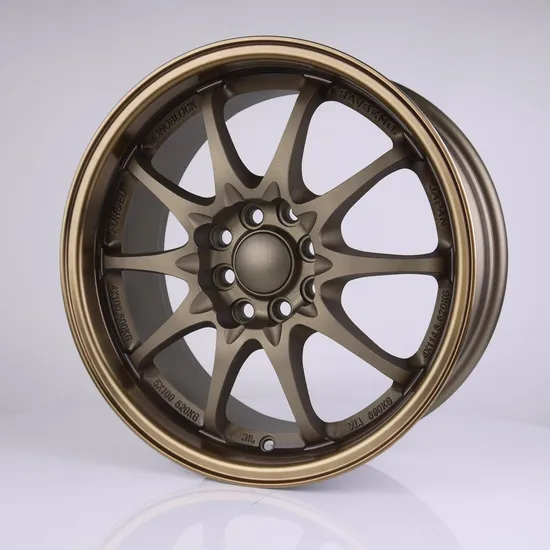
Most buyers assume vehicle cooling relies entirely on the radiator, but the wheel spoke design actually dictates the aerodynamic ventilation efficiency of the braking system.
Effective hot-climate vehicle cooling service depends not just on the engine radiator, but on selecting multi-spoke alloy wheels for hot climate to dissipate brake heat, pairing them with high temperature TPMS sensors to prevent valve stem failures, and ensuring strict thermal packaging and HS code compliance for customs clearance.
Early in my career handling auto parts documentation at Ningbo Port, I dreaded processing consolidated LCL shipments bound for Riyadh during the peak summer season. On one unforgettable occasion, a misdeclared material code on the customs declaration, combined with a complete lack of thermal insulation packaging, resulted in the rubber seals on the cooling components melting and cracking upon arrival. The consignee rejected the entire container outright. That mid-six-figure loss forced a complete pivot in my approach. I began obsessing over thermal parameter selection and customs compliance for cooling accessories in extreme environments. When supplying Middle Eastern wholesalers today, I scrutinize heat dissipation metrics under extreme local temperatures before finalizing any documentation details. [NEED_CITE: root cause distribution of rubber degradation in high-temperature transit]
Transitioning from documentation errors to physical product engineering reveals that true thermal management extends far beyond the engine bay.
Why Wheel Design is the Hidden Key to Hot-Climate Vehicle Cooling?
The structural geometry of the rim directly controls the airflow reaching the brake calipers and rotors, making brake cooling wheel design a critical factor in preventing heat fade.
When a Middle Eastern distributor approached me to upgrade their inventory for the desert market, they initially focused solely on aesthetic appeal. I redirected their attention to the physical ventilation rates of different rim structures. Closed-face or thick-spoke designs trap radiant heat from the braking system, causing the brake fluid to boil and the pads to glaze under continuous high-speed desert driving. By switching to a multi-spoke configuration, the open areas act as centrifugal air pumps, drawing ambient air directly across the rotor fins. [NEED_CITE: aerodynamic ventilation efficiency of multi-spoke wheel structures]
During our field tests with a regional fleet operator, vehicles equipped with open-spoke rims showed a noticeably lower operating temperature at the hub assembly compared to those with enclosed designs. The aluminum alloy itself conducts heat away from the mounting surface, but without the physical channels for air to pass through, that heat simply radiates back into the brake components. This is why a proper hot-climate vehicle cooling service must evaluate the rim’s internal geometry rather than just its external diameter. The physical clearance between the caliper and the inner barrel is just as vital as the spoke count. [NEED_CITE: thermal conductivity and convective heat transfer in automotive braking systems]
The insight here is straightforward: a beautiful wheel that suffocates the brakes is a liability in extreme heat. Engineering the airflow path is the first line of defense against thermal failure.
What Are the Common Failures of Wheel Accessories in Extreme Heat?
Standard rubber valve stems and basic electronic components rapidly oxidize and lose structural integrity when exposed to prolonged radiant heat from the braking system.
The wheel assembly is a harsh environment even in temperate zones, but in desert conditions, the localized temperature near the rim flange can surge dramatically during heavy braking. I recall a modification shop in the Gulf region that faced constant warranty claims. Their customers complained of sudden tire pressure drops and sensor failures. Upon inspection, the culprit was never the tire casing itself, but the accessories. Ordinary rubber valve stems turned brittle and cracked, while standard electronic modules suffered from solder joint fatigue due to thermal cycling.
To resolve this, we introduced high temperature TPMS sensors specifically rated for extreme thermal envelopes. These units utilize specialized potting compounds and heat-resistant housing materials that maintain signal integrity and battery stability even when the surrounding metal rim acts as a heat sink. [NEED_CITE: operational temperature thresholds of automotive electronic modules]
Furthermore, replacing standard rubber stems with metal or specialized fluoropolymer alternatives eliminated the microscopic porosity issues that lead to slow leaks. A robust hot-climate vehicle cooling service strategy must therefore encompass the entire rotating assembly. If the sensor or the valve cannot survive the thermal environment created by the brake cooling wheel design, the entire system’s reliability is compromised. The failure rate dropped noticeably once the shop standardized these high-temperature components across their inventory. [NEED_CITE: material degradation mechanisms of elastomers under thermal stress]
Accessories are the weak link in the thermal chain; upgrading them to match the environmental severity is non-negotiable for long-term reliability.
How to Avoid Customs Rejection for Cooling-Related Auto Parts?
Precise alignment of HS codes with actual material compositions, combined with mandatory thermal insulation packaging, is the only way to prevent rubber components from vulcanizing during summer ocean freight.
The physical product is only half the battle; getting it through customs in one piece is the other. I still use the painful lesson from my Ningbo Port days as a baseline for all my logistics protocols. When shipping auto parts to tropical or desert regions during the summer, the internal temperature of a steel shipping container can easily exceed the melting point of standard automotive rubber compounds.
For a recent bulk order of alloy wheels and accompanying accessories destined for a South American port, we implemented a strict thermal packaging protocol. The rubber valve stems and TPMS sensor seals were individually wrapped in reflective thermal foil and separated from the metal rims to prevent direct conductive heat transfer. [NEED_CITE: thermal insulation requirements for elastomeric automotive parts in maritime transport]
Equally critical was the documentation. The customs declaration must accurately reflect the material composition of every component. Misclassifying a composite rubber seal under a generic plastic code triggers inspections, delays, and in some cases, the destruction of the goods if the local authority deems the documentation fraudulent. A professional hot-climate vehicle cooling service supplier must act as a compliance partner, ensuring that the commercial invoice, packing list, and certificate of origin all perfectly mirror the physical reality of the cargo. We also provide complete customs documentation to eliminate any ambiguity at the port of entry. [NEED_CITE: customs compliance frameworks for mixed-material automotive shipments]
Logistics in extreme climates requires treating the container as a thermal oven; proper insulation and flawless paperwork are your only shields against total loss.
Which Surface Finishes Perform Best in High-Temperature Environments?
The thermal radiation absorption rate is dictated by the microscopic texture and chemical composition of the clear coat, not merely the visible pigment of the paint.
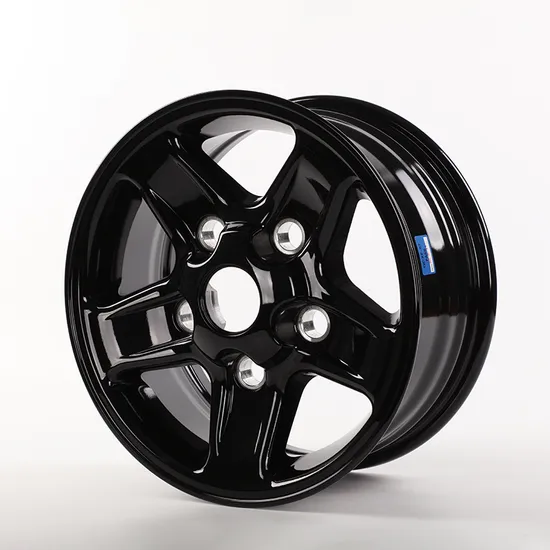
There is a widespread misconception that black wheels inherently absorb more heat than silver ones, leading to brake overheating. While color plays a role in visible light absorption, the true determinant of thermal behavior in a hot-climate vehicle cooling service scenario is the surface finish technology. A matte black finish with a specific micro-texture can actually dissipate heat more effectively through infrared radiation than a high-gloss silver finish that traps radiant energy.
When working with a luxury modification shop in a tropical region, they wanted a deep, glossy bronze finish for their fleet. However, gloss finishes tend to reflect visible light but can absorb infrared radiation depending on the clear coat’s chemical makeup. We advised them to utilize a specific powder coating formulation designed for high thermal emissivity. This coating allows the alloy wheel to shed heat rapidly into the surrounding air rather than conducting it inward toward the hub and brake components. [NEED_CITE: infrared emissivity rates of automotive powder coatings]
The manufacturer’s production facilities apply these finishes using controlled curing processes that ensure the coating maintains its structural integrity and thermal properties without peeling or discoloring under intense UV and thermal exposure. Whether choosing machined face, chrome, or hyper silver, the underlying chemical resistance to thermal degradation is what matters. The surface finish must be viewed as a thermal management layer, not just an aesthetic choice. [NEED_CITE: thermal degradation thresholds of automotive surface finishes]
Surface treatment is a functional thermal barrier; selecting the right coating chemistry is as critical as selecting the right alloy.
Conclusion
Mastering thermal management in extreme environments requires a holistic view of the wheel assembly and the supply chain. True hot-climate vehicle cooling service goes beyond the radiator, relying on optimized brake cooling wheel design, resilient high temperature TPMS sensors, and rigorous transit protection. By aligning physical engineering with strict customs compliance, wholesalers can eliminate thermal failures and ensure reliable performance across multiple regions.