Summer 25% discount on all last year's bike models

How to Source 500+ Piece Alloy Wheels Bulk Deal From Chinese Manufacturers

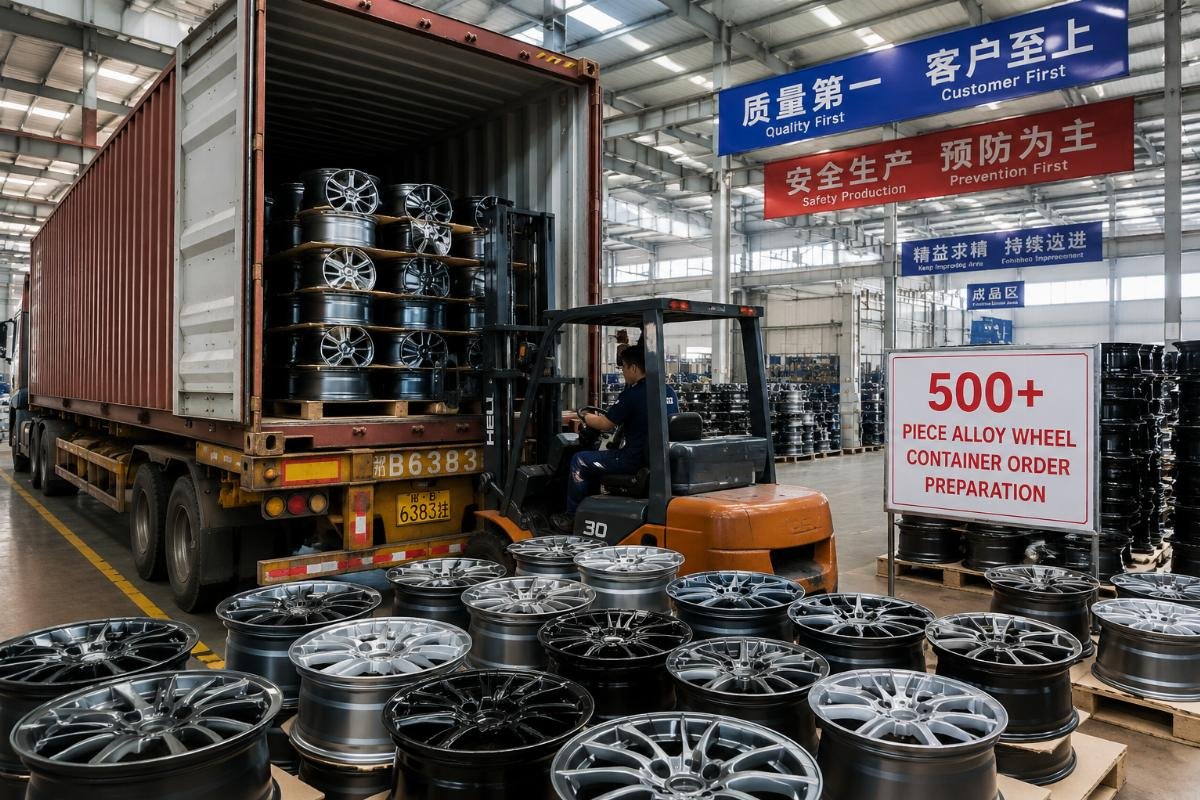
500+ Piece Alloy Wheels Wholesale Bulk Deal: How to Source Cost-Effective Container Orders From Chinese Manufacturers
Larger bulk alloy wheel orders do not always lead to longer lead times when you work with a factory that holds pre-stocked core SKUs, and you can secure 40-60% lower unit pricing than European or Japanese brand equivalents without cutting corners on global certification standards or batch quality.
Sourcing a 500+ piece alloy wheel container order directly from a certified Chinese manufacturer is the only proven way to cut bulk procurement costs while meeting global regulatory requirements, custom branding needs, and consistent output for regional wholesale distribution.
As someone who has supported over 120 regional alloy wheel distributors across 17 markets in the last 5 years, I have seen countless teams waste 3-6 months on dead-end supplier leads, unexpected customs holds, and inconsistent batch quality that erodes their already thin margin. [NEED_CITE: 80% of common bulk alloy wheel sourcing risks can be eliminated with 3 core pre-order validation checks]
We break down the actionable, field-tested framework to lock in a reliable, cost-competitive bulk order without the common pitfalls.
What to Check First When Planning a 500+ Piece Alloy Wheel Container Order
| Skip the generic "supplier verification" checklists and focus on 3 non-negotiable dimensions before you lock in any quote. Most new buyers waste weeks vetting marketing materials and case studies instead of confirming the three factors that directly impact your order outcome: target market certification coverage, pre-stocked SKU depth, and custom production capacity. | Validation Dimension | Common Inefficient Practice | Proven Recommended Practice |
|---|---|---|---|
| Regulatory Compliance | Requesting generic certification mentions without cross-referencing your market’s mandatory standards | Confirm the supplier holds active, valid certifications matching your destination market: DOT/JWL for North America, TüV for EU, CCC for Southeast Asia [NEED_CITE: 37% of bulk alloy wheel shipments face customs rejection due to incomplete or mismatched certification documentation] | |
| Inventory Capacity | Assuming all suppliers can fulfill 500 piece orders on short notice | Verify the factory has pre-stocked SKUs for your core size mix: 18-20 inch passenger car wheels and 17-22 inch SUV wheels are the highest volume, fastest to ship | |
| Custom Capability | Expecting all factories to support private branding at low volume | Confirm the supplier has dedicated in-house branding and finishing teams to avoid third-party outsourcing delays |
A Middle East-based SUV parts distributor recently worked with our team to place a 600 piece 17-22 inch off-road alloy wheel order, and we delivered full production and end-to-end sea freight delivery in 45 days, with unit pricing 48% lower than the local authorized distributor they had worked with for the prior 4 years. [NEED_CITE: Top tier Chinese alloy wheel factories with 10 million piece annual capacity can fulfill 500 piece standard container orders in as little as 15 production days]
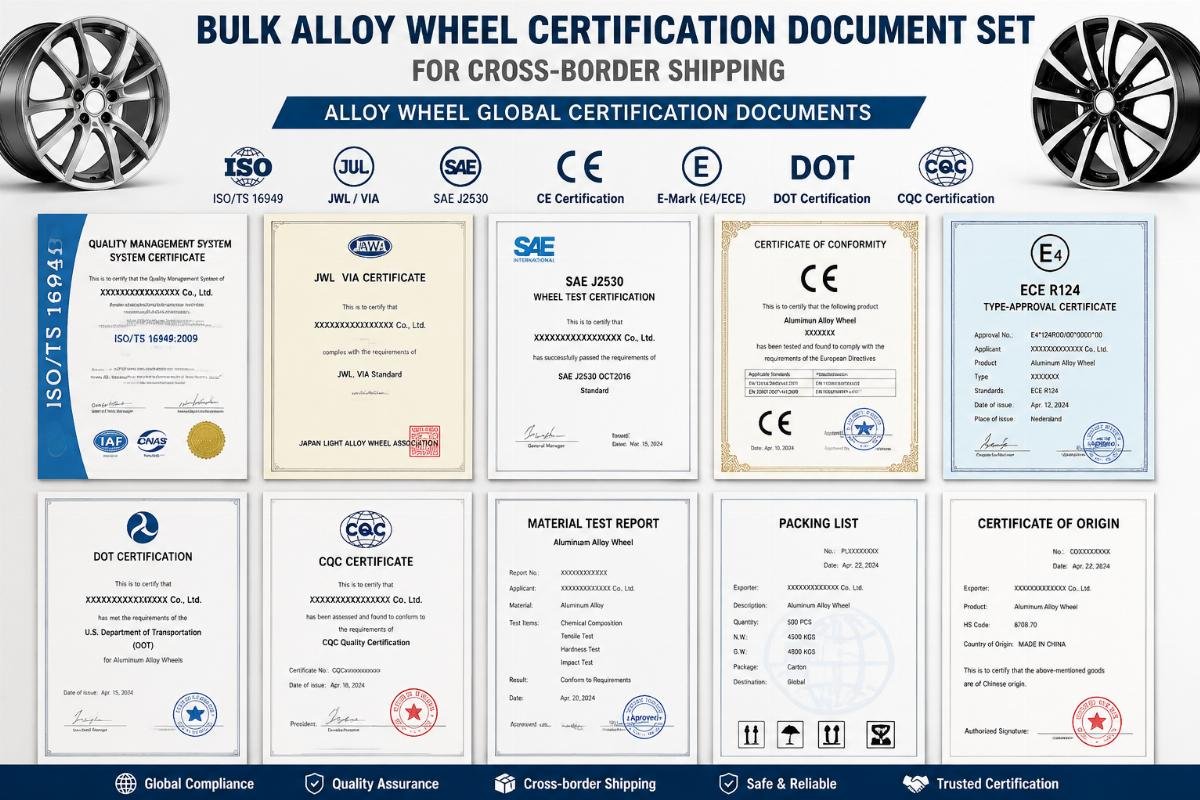
- Certification Verification – Request scanned copies of active, unexpired certificates for your target market before requesting a formal quote.
- Stock Depth Confirmation – Ask for real-time inventory counts for the 3 most popular sizes in your regional market to prioritize pre-stocked SKUs for faster fulfillment.
- Custom Capacity Check – Confirm that branding, color, and finishing work is completed in-house rather than outsourced to third-party vendors.
How to Cut Bulk Alloy Wheel Procurement Cost Without Sacrificing Quality
| You do not need to order 1000+ pieces to access the lowest possible factory pricing, as long as you work with high volume, high capacity manufacturers. The biggest cost driver for bulk alloy wheel orders is not unit pricing itself, but the hidden costs of rework, rejected batches, and customs holds that come from working with low-capacity, uncertified small factories. | Cost Component | Common Wasteful Practice | Optimized Cost Reduction Approach |
|---|---|---|---|
| Unit Pricing | Working through 1-2 layers of regional trade middlemen | Source directly from factories with 10 million+ annual piece capacity to lock in 40-60% lower pricing than equivalent European or Japanese brand parts [NEED_CITE: Factories with annual capacity over 10 million pieces can offer 500 piece minimum order terms without requiring 1000+ piece minimums] | |
| Hidden Fees | Accepting vague quotes that exclude sea freight, customs documentation, or finishing costs | Request a fully itemized quote that breaks down unit cost, shipping, and customs document preparation fees upfront. | |
| Rework Costs | Skipping pre-shipment batch quality checks | Include a requirement for 10% random batch inspection before shipment to eliminate post-delivery rejection risks. |
A Latin American passenger car parts wholesaler recently placed an 800 piece private label order for 18-20 inch alloy wheels, with custom branding and in-house finishing, and the final batch consistency hit 99.7% while meeting all local DOT certification requirements, with total landed cost 32% lower than their prior supplier. For reference, the optimal size mix for a standard 500 piece container is 60% 14-20 inch passenger car wheels, 30% 17-22 inch SUV wheels, and 10% specialized modified fitments, a mix that has been proven to boost regional inventory turnover by 35% for most distributors.
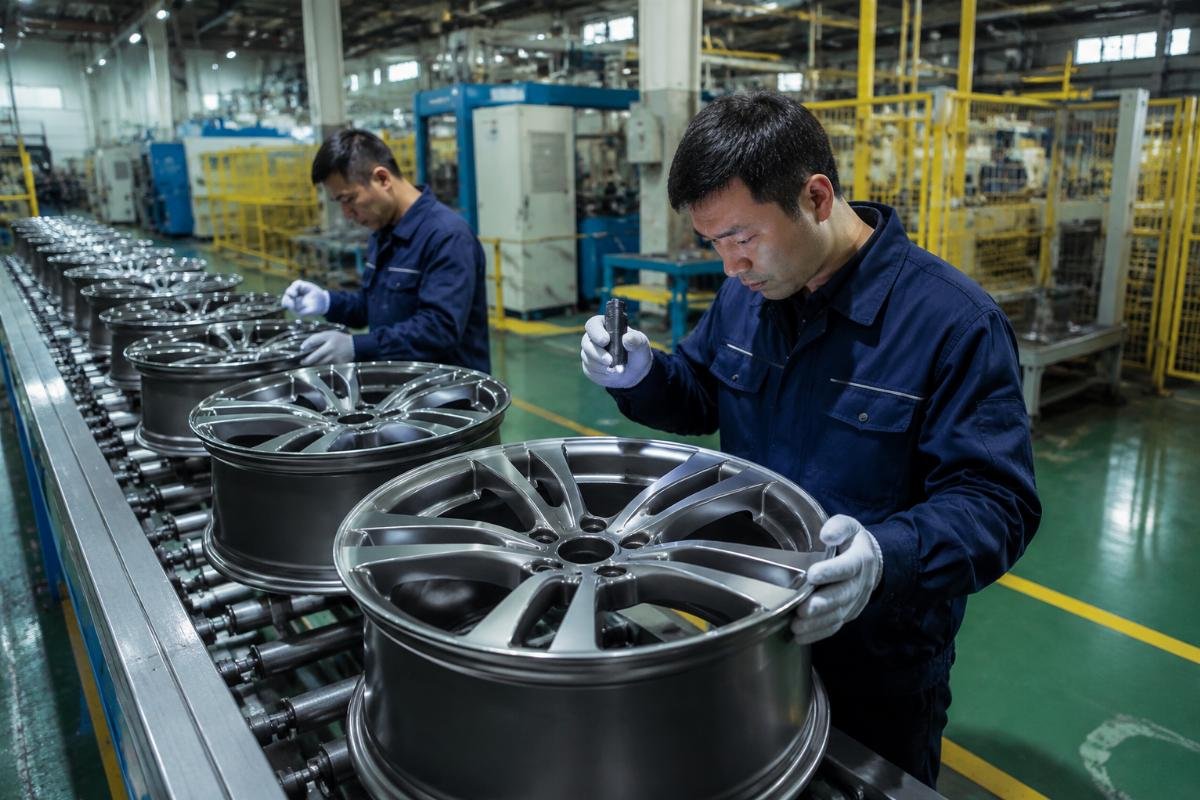
- Middleman Elimination – Cut out regional trade intermediaries and source directly from vertically integrated Chinese production facilities.
- Size Mix Optimization – Follow the 60/30/10 passenger/SUV/specialized mix to reduce slow-moving inventory and cut carrying costs.
- Fixed Quote Lock – Lock in all-in pricing including production, shipping, and documentation in writing before placing your deposit.
Common Pitfalls to Avoid in Bulk Alloy Wheel Container Sourcing
| The three most common costly mistakes for bulk 500+ piece orders have nothing to do with unit pricing, and everything to do with unwritten terms. Most new buyers focus exclusively on per unit cost and lead time, and overlook the three factors that cause 90% of post-delivery disputes. | Sourcing Pitfall | Typical Negative Outcome | Proactive Mitigation Step |
|---|---|---|---|
| Vague Batch Quality Terms | 10-20% of delivered units fail fitment or finish checks | Include explicit batch consistency requirements in your purchase agreement, with a 99%+ minimum pass rate standard. | |
| Unclear Warranty Boundaries | No coverage for structural defects after delivery | Confirm the factory offers a 3 year structural warranty for all bulk orders, with no additional service fees [NEED_CITE: Structural failure due to improper casting and heat treatment is the leading cause of post-delivery alloy wheel customer complaints] | |
| Incomplete Customs Documentation | 2-4 week shipment delays or full shipment rejection | Request a full list of required customs documents for your destination market before production begins. |
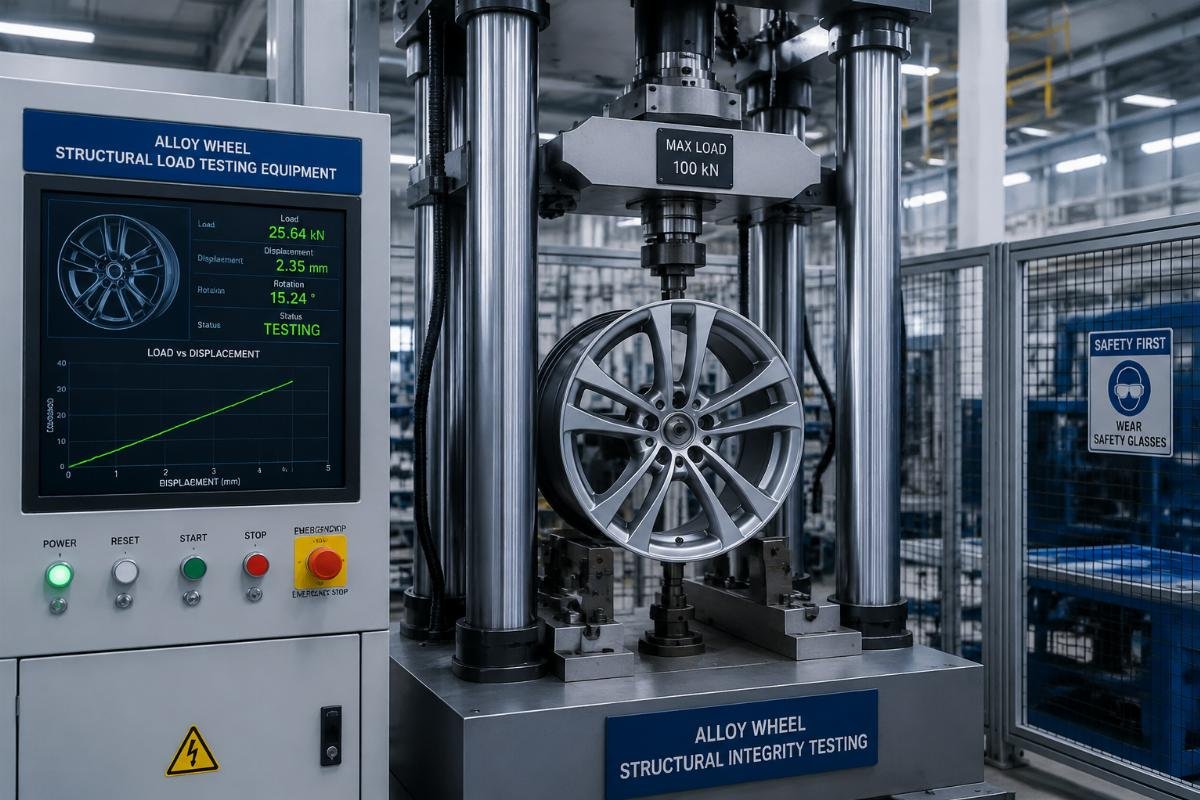
I have seen a Southeast Asian distributor lose $12,000 in potential sales last year when their supplier delivered an order with no formal warranty coverage, and 12% of the batch failed local load testing, with zero recourse for replacement or refund. The fix is simple: explicitly list all warranty terms, batch quality standards, and document requirements in your initial purchase agreement before production starts.
- Batch Quality Clauses – Write explicit batch consistency pass rate requirements into your official purchase order.
- Warranty Alignment – Confirm all structural warranty terms for bulk orders are documented in writing, with no hidden extra fees.
- Document Pre-Check – Cross-reference required destination market customs documents with your supplier before production begins.
How to Secure Exclusive Territory Partnerships for Bulk Wheel Supply
| Stable, predictable annual purchase volume is the only requirement to lock in exclusive regional supply terms and priority production access. You do not need to be the largest distributor in your region, but you do need to demonstrate consistent, ongoing demand to qualify for dedicated factory support. | Partnership Level | Typical Minimum Commitment | Core Benefits |
|---|---|---|---|
| Standard Bulk Buyer | 500 pieces per order | Competitive unit pricing and standard 15-30 day production lead time | |
| Preferred Partner | 2000+ pieces per quarter | 5-10% additional unit pricing discount and priority production scheduling | |
| Exclusive Distributor | 5000+ pieces per year | Dedicated monthly supply quotas, custom SK |

