Summer 25% discount on all last year's bike models

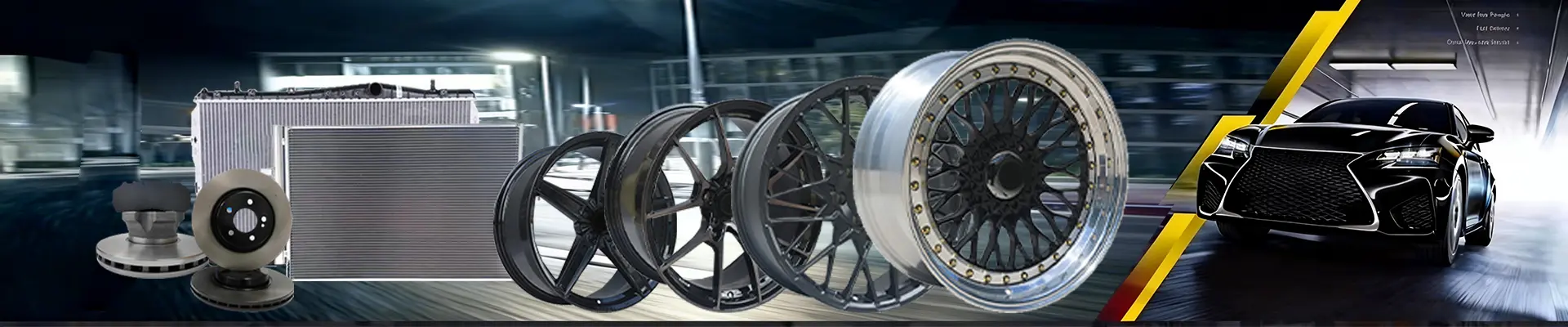
Wheel Rims Supplier for Morocco: China Factory Direct OEM Bulk

Wheel Rims Supplier for Morocco: China Factory Direct OEM Bulk
The cheapest per-piece quote rarely wins the deal once the container hits Casablanca.
Sourcing from a reliable wheel rims supplier for Morocco requires locking every technical parameter, certification document, and customs detail into a binding confirmation sheet before production starts — not after the goods arrive at the port.
I still remember the first container I shipped to Casablanca years ago. The buyer had approved our color swatch for a matte black finish. What neither side realized was that "matte black" meant something entirely different to his customs broker and retail shops than it did to our spray booth operator. No RAL code, no gloss unit specification, no packaging mark font size — nothing was written into the proforma invoice. The entire container was rejected. Demurrage and reprocessing costs wiped out most of the margin for that shipment. Since then, I have built every Morocco-bound order around a technical confirmation sheet that covers dimensions, ET values, PCD, center bore, surface finish, and packing method, with the buyer’s signature required before a single rim goes into production. If you are evaluating a wheel rims supplier for Morocco for the first time, this guide breaks down the specification, certification, pricing, and documentation steps that separate a smooth delivery from a port-side disaster.
Let me walk you through each critical stage.
What Specifications Must You Confirm Before Ordering Wheel Rims from China?
Every dimension, offset, bolt pattern, center bore, and surface finish must be written into a technical confirmation table and signed by both parties before production begins.
Moroccan buyers often focus on the visual style — deep concave, mesh, multi-spoke — and assume that if the diameter matches their existing setup, the wheel will fit. That assumption causes installation interference more often than any other single mistake. The ET value determines how far the wheel sits relative to the hub; the PCD must match the vehicle’s bolt pattern exactly; the center bore must align with the hub diameter or require precise hub-centric rings. Getting any one of these wrong means the rim either will not mount or will vibrate at highway speeds.
Here is a typical specification matrix we use with Moroccan distributors:
| Parameter | Range Covered | Verification Method |
|---|---|---|
| Diameter | 12" to 24" | Caliper measurement per piece |
| Width | 5J to 12J | Engraved on inner barrel |
| ET Value | Vehicle-specific | Laser-etched or stamped |
| PCD | 4-lug to 8-lug patterns | Template gauge check |
| Center Bore | Vehicle-specific | Bore gauge per batch |
| Surface Finish | Machined, chrome, gloss/matte black, bronze, gunmetal, hyper silver, full custom | RAL code + gloss unit in PI |
A modification shop in Casablanca once ordered a mixed batch of several styles for their first trial. They needed a low minimum order quantity to test which designs would sell before committing to full container loads. The key was confirming each style’s PCD and ET value against the specific vehicles their customers drove — Toyota, Hyundai, and Chevrolet models dominate the Moroccan aftermarket. We ran each SKU through a fitment check against their vehicle list before releasing any stock. The order shipped within a standard lead time window, and the shop rotated inventory quickly because every wheel actually fit the cars on the lot.
The takeaway is simple: never let a wheel rims supplier for Morocco ship a single piece based on a verbal description or a photo alone. The technical confirmation table is your insurance policy. [NEED_CITE: alloy wheel fitment parameter standards per SAE J267 and vehicle manufacturer specifications]
Which Certifications Does Your Wheel Rims Supplier Need for Morocco Market?
Moroccan customs and end-user buyers require specific certification documents, and any character-level error in these papers will stall your container at the port.
Morocco does not enforce a single unique wheel certification standard of its own, but importers and distributors routinely demand internationally recognized marks to prove structural integrity. The certifications that matter most in this market include ISO quality management system certification, VIA (Vehicle Inspection Association) for Japanese-market compatibility, TÜV for European technical compliance, DOT for any US-spec vehicles in the market, JWL as a Japanese lightweight standard, and CCC for Chinese domestic origin verification. A wheel rims supplier for Morocco who can provide multiple certifications gives you flexibility to serve different customer segments — from fleet operators who need documented compliance to tuning shops who sell on brand perception.
I have seen shipments held at Casablanca port for extended periods because the Certificate of Origin listed a slightly different HS code than the commercial invoice. Even a single transposed digit in the tariff classification triggers a manual review by customs, which means your container sits in the bonded zone while your warehouse shelves stay empty. The storage fees accumulate daily, and the buyer’s frustration compounds.
Here is how the major certification systems align with Moroccan import needs:
| Certification | Primary Market Relevance | Document Type Required |
|---|---|---|
| ISO | Quality management baseline | Certificate copy with valid dates |
| TÜV | European-spec vehicles | Technical test report |
| VIA / JWL | Japanese-spec vehicles | Marking on wheel + certificate |
| DOT | US-spec vehicles | Compliance letter |
| CCC | Origin verification | Certificate copy |
A distributor in North Africa once received a batch where the TÜV report referenced a different wheel model than what was actually in the container. The mismatch was not caught until the customs officer cross-referenced the paperwork. The resolution required the wheel rims supplier for Morocco to issue a corrected report, which took multiple weeks. During that time, the distributor lost sales to competitors who had compliant stock on hand.
The lesson here is that certification is not just about having the marks on the wheel. It is about having the paperwork perfectly aligned with the physical goods and the customs declaration. [NEED_CITE: Moroccan customs import documentation requirements for automotive parts per official trade portal guidelines]
How Does Factory-Direct Pricing Compare to Traditional Sourcing Channels?
Factory-direct pricing from a Chinese wheel rims supplier for Morocco typically runs substantially below European and Japanese brand pricing, but the real comparison must include the full landed cost — not just the per-piece quote.
Many buyers search for the lowest FOB price and assume the deal is done. What they often miss is the hidden cost layer: documentation errors, rework for surface finish disputes, demurrage at the port, and the opportunity cost of delayed inventory. A wheel rims supplier for Morocco who builds compliance into their process may quote slightly higher on the surface, but the total cost of ownership tells a different story.
Let me break down the cost structure comparison:
| Cost Element | Factory-Direct China | European Brand Distributor | Trading Company Middleman |
|---|---|---|---|
| Per-piece base price | Substantially lower | Premium tier | Mid-range markup added |
| Custom color / OEM branding | Included in production flow | Extra charge + long lead time | Passed through with margin |
| Documentation accuracy | Built into workflow | Standard but rigid | Variable by operator |
| Minimum order flexibility | Low MOQ available for trial | High MOQ typical | Depends on stock holding |
| Structural warranty coverage | Multi-year standard | Brand-dependent | Rarely offered |
A tire shop chain operating across several Moroccan cities once compared three sourcing options for their seasonal restocking. They needed popular fitment sizes for Toyota, Honda, Nissan, and Hyundai — the bread-and-butter vehicles on Moroccan roads. The European brand option offered prestige but came with pricing that squeezed their retail margin to a thin line. The trading company option had attractive per-piece numbers but could not guarantee batch consistency across multiple containers. The factory-direct option from Jinan gave them a price point that protected their margin, batch-level consistency they could verify, and the flexibility to mix styles and sizes in a single container.
The key insight is that factory-direct pricing only delivers real savings when the wheel rims supplier for Morocco handles the full compliance workflow — not just the manufacturing. [NEED_CITE: global alloy wheel manufacturing cost structure analysis by industry research bodies]
What Customs Documents Are Required and How to Avoid Delays?
The Certificate of Origin, commercial invoice, and packing list must have perfectly matching HS codes, product descriptions, and consignee details — any discrepancy will trigger a customs hold.
Moroccan customs procedures are thorough, and automotive parts receive particular scrutiny. The documents your wheel rims supplier for Morocco provides must be cross-checked before the vessel departs, not after it arrives. I have developed a practice of sending draft copies of every document to the buyer’s customs broker before production completes, so any character-level error gets caught while there is still time to correct it without delaying the shipment.
The critical document checklist includes:
| Document | Key Verification Point | Common Error |
|---|---|---|
| Certificate of Origin | HS code matches invoice exactly | Transposed digits in tariff code |
| Commercial Invoice | Product description matches BL | Generic description vs specific |
| Packing List | Piece count and weight match | Rounding discrepancies |
| Bill of Lading | Consignee name matches CO | Spelling variation in company name |
| TÜV / VIA Reports | Model number matches physical marking | Report references wrong SKU |
A wholesale buyer in Casablanca shared a story about a previous supplier whose commercial invoice described the goods as "auto parts" instead of specifying "alloy wheels" with the correct HS heading. The customs officer flagged the shipment for inspection, which meant the container was opened, every box was examined, and the re-sealing process added days to the clearance timeline. The buyer’s shelves stayed empty while competitors delivered to their customers.
The fix is straightforward: build a document cross-check step into your ordering workflow. Before the wheel rims supplier for Morocco loads the container, both parties should review every document line by line. A fifteen-minute verification call can save weeks of port delays and the storage fees that come with them.
[NEED_CITE: Moroccan customs clearance procedures for automotive wheel imports per official regulatory framework]
Conclusion
A successful wheel rims import to Morocco depends on locking specifications, certifications, and documents before production — not negotiating them after arrival.
Every technical parameter must be written into a signed confirmation sheet, every certification must match the physical goods, and every customs document must be cross-checked before the container loads. The wheel rims supplier for Morocco who builds these steps into their standard workflow delivers not just a competitive price, but a container that clears the port and reaches your warehouse on schedule.

