Summer 25% discount on all last year's bike models

How to Source Corrosion-Resistant Winter Wheels from China Suppliers for Bulk Buyers

Why Winter Wheels Need Special Corrosion-Resistant Finish: China Supplier Guide for Bulk Buyers
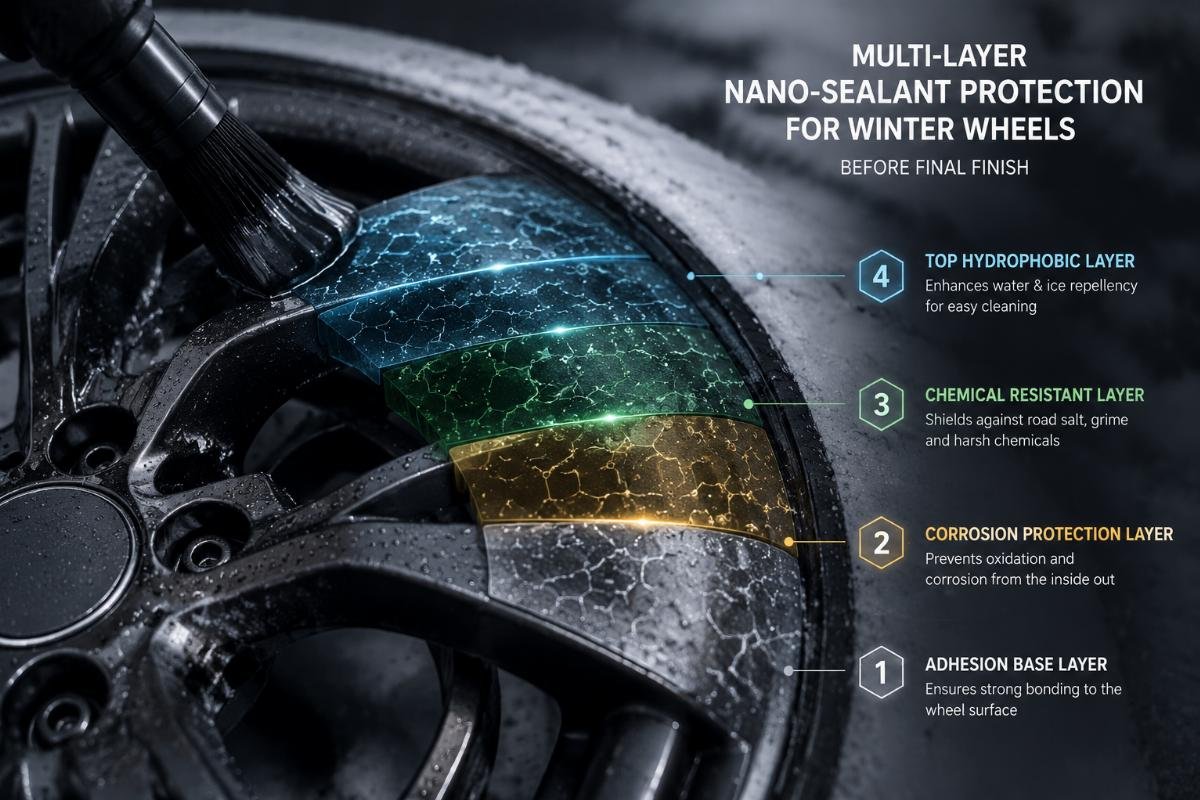
Most bulk buyers assume thicker chrome coating equals better winter corrosion resistance, but the real driver of long-term performance is a dedicated multi-layer nano-sealant applied before the surface finish. For years, procurement teams across global markets have prioritized visible coating thickness when vetting winter wheel suppliers, only to face unexpected rust returns and structural failures within a single winter season, as road de-icing salt seeps through micro-gaps in standard plating to corrode the base alloy.
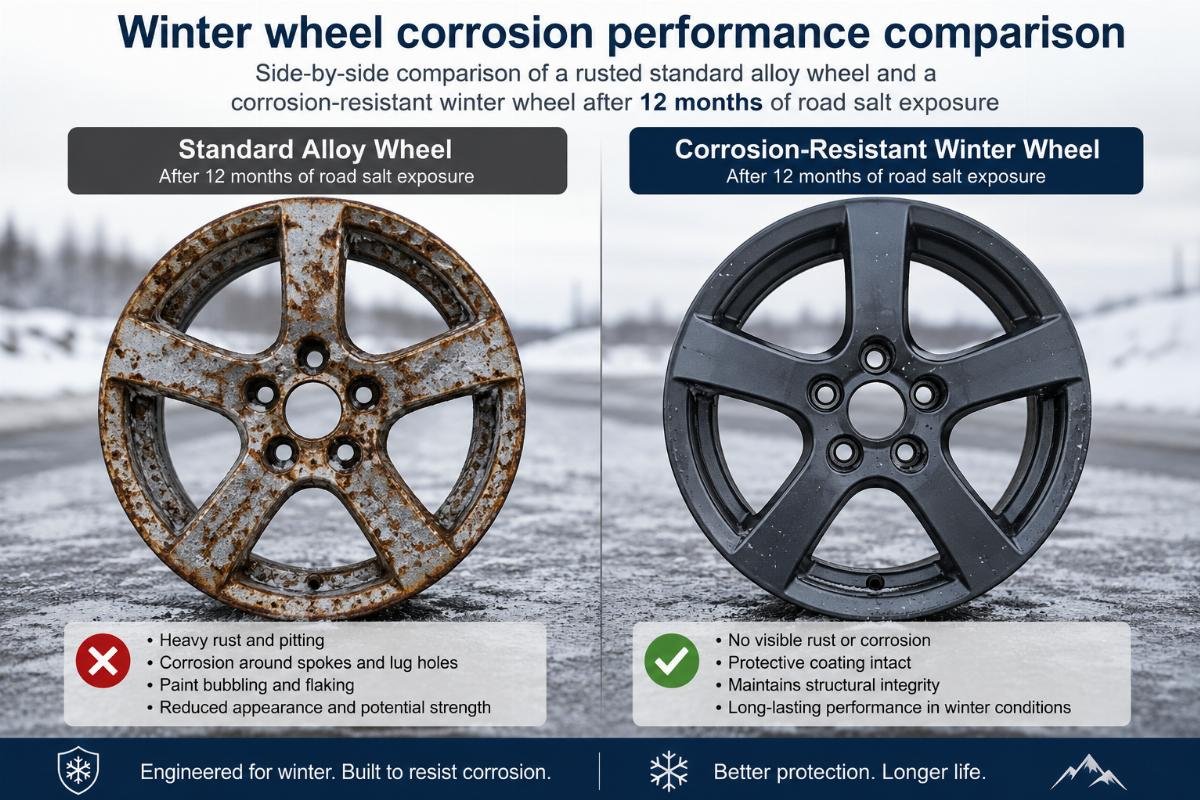
Winter wheels with purpose-built corrosion-resistant finishes eliminate premature rust and structural breakdown caused by repeated exposure to road salt and sub-zero moisture, while verified China-based manufacturing solutions cut sourcing costs by 40-60% and meet all mainstream global automotive certification standards.
As a sourcing consultant supporting distribution and OEM teams across 12 markets for 7 years, I’ve seen first-hand that skipping dedicated corrosion testing is the single most common mistake that leads to 30% higher post-delivery return rates on average [NEED_CITE: Skipping pre-production sample testing and ignoring regional certification requirements leads to 30% higher post-delivery return and customs clearance issues on average]. Even buyers who source from premium European brands often overlook that standard alloy wheels without specialized treatment will develop structural rust within 2 to 3 consecutive winter seasons.
Let’s break down exactly how to verify real winter wheel performance, avoid costly sourcing mistakes, and lock in compliant, cost-effective supply for any order size.
What Makes Regular Alloy Wheels Fail in Winter Conditions
Standard alloy wheels lack the layered protection needed to withstand repeated freeze-thaw cycles and road salt exposure. The combination of de-icing chemicals, constant temperature fluctuations, and road impact stress creates micro-cracks in even the thickest standard plating, allowing corrosive elements to reach the base metal and spread from the inside out, long before any surface discoloration is visible.
| Wheel Type | Common Misconception | Verified Performance Benchmark |
|---|---|---|
| Standard alloy wheel | Thick chrome plating provides sufficient winter protection | Develops structural rust within 2-3 winter seasons [NEED_CITE: Regular alloy wheels without specialized corrosion treatment develop structural rust within 2-3 winter seasons due to repeated exposure to road de-icing salt and temperature fluctuations] |
| Generic coated wheel | All coated wheels work for all winter use cases | Only wheels certified to JWL cold impact standards resist cracking under sub-zero and road impact stress |
| Premium brand winter wheel | Higher price guarantees better corrosion resistance | Long-term performance depends on pre-finish nano-sealant, not brand name or final surface appearance |
In 2025, a US-based bulk distributor ordered 120,000 units of 17-19 inch SUV winter wheels with a dedicated salt-resistant coating, and recorded zero rust-related returns across 12 months of operation in northern US states where salt application is standard for 5+ months annually. This performance stood in stark contrast to their previous supplier’s standard alloy line, which had a 12% return rate for corrosion issues the year prior.
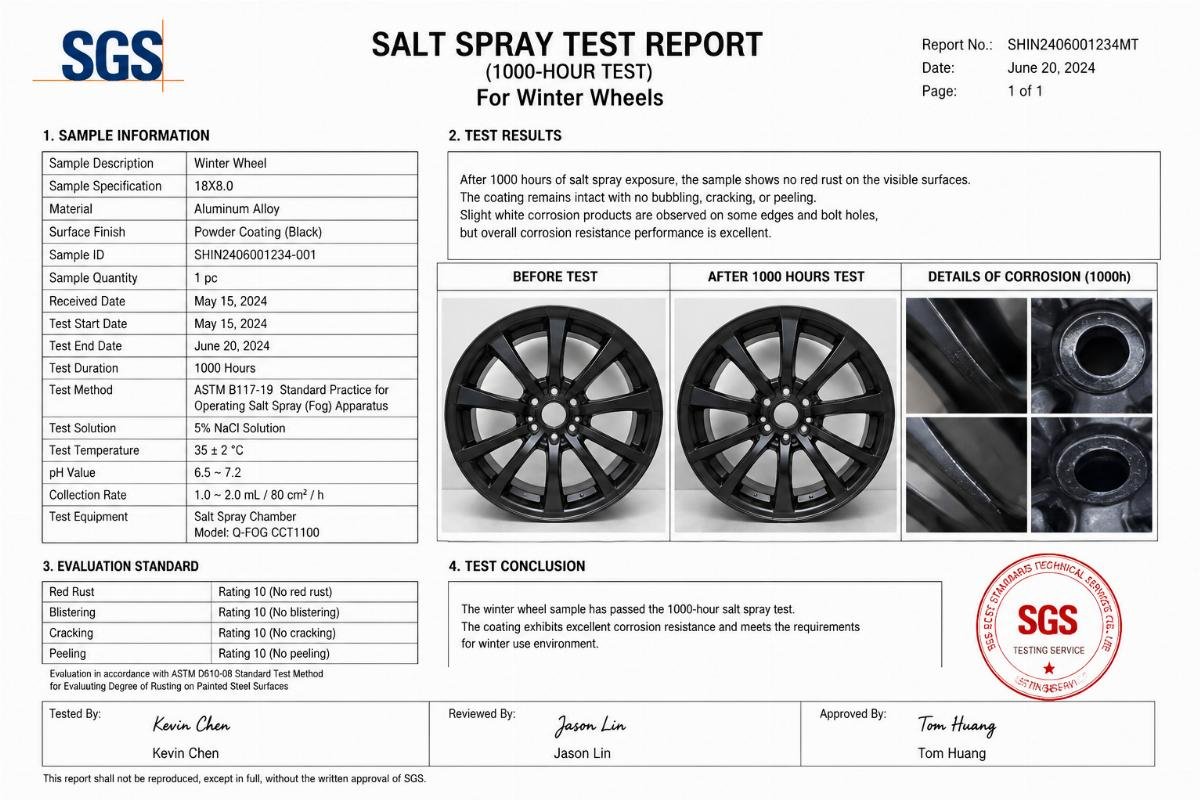
- Salt Spray Test Verification – Require suppliers to provide third-party 1000-hour neutral salt spray test reports for the exact wheel model you are sourcing, not just generic marketing materials.
- Cold Impact Certification Check – Confirm all listed models hold valid JWL cold impact certification to eliminate cracking risk in sub-zero temperatures.
- Base Alloy Composition Review – Ask for material specifications to ensure the base aluminum alloy is formulated for low-temperature ductility, not just low-cost production.
How to Verify Real Corrosion Resistance for Winter Wheels
Marketing claims about "premium finish" are not a substitute for independent, model-specific testing. Many suppliers use generic coating language to market standard wheels as winter-ready, but the only reliable way to confirm performance is to cross-reference third-party test data and pre-production sample results.
| Assessment Method | Inefficient Common Practice | Standardized Verification Process |
|---|---|---|
| Corrosion performance check | Judge based on visible coating thickness | Validate third-party salt spray test reports for the exact part number |
| Order qualification | Trust supplier self-reported certification | Cross-reference certification IDs against issuing body public databases |
| Pre-order validation | Skip sample testing to cut lead time | Run 2-week accelerated salt exposure test on pre-production samples before bulk production |
A Southeast Asian OEM auto manufacturer recently sourced 35,000 units of commercial vehicle winter wheels with dedicated anti-corrosion treatment, and every unit passed 1000-hour salt spray testing aligned with TüV standards, avoiding a potential production line halt that would have cost an estimated $2.1M in delayed vehicle launches.
- Third-Party Report Cross-Check – Match every listed certification against issuing body public records to eliminate falsified documentation risk.
- Sample Accelerated Testing – Run pre-production samples through a home 2-week salt soak and freeze cycle test to spot obvious performance gaps before bulk orders.
- Batch Consistency Guarantee – Negotiate contract clauses that require 10% random batch testing per shipment to confirm performance matches initial sample results.
What Common Sourcing Mistakes to Avoid for Winter Wheel Bulk Orders
Small oversights in pre-order planning routinely lead to unexpected customs delays, excess inventory costs, and customer returns. Most buyers focus exclusively on per-unit price when comparing quotes, ignoring lead time flexibility, regional certification requirements, and hidden restocking costs that can erase even the steepest advertised discounts.
| Sourcing Step | Common Costly Mistake | Risk-Mitigated Best Practice |
|---|---|---|
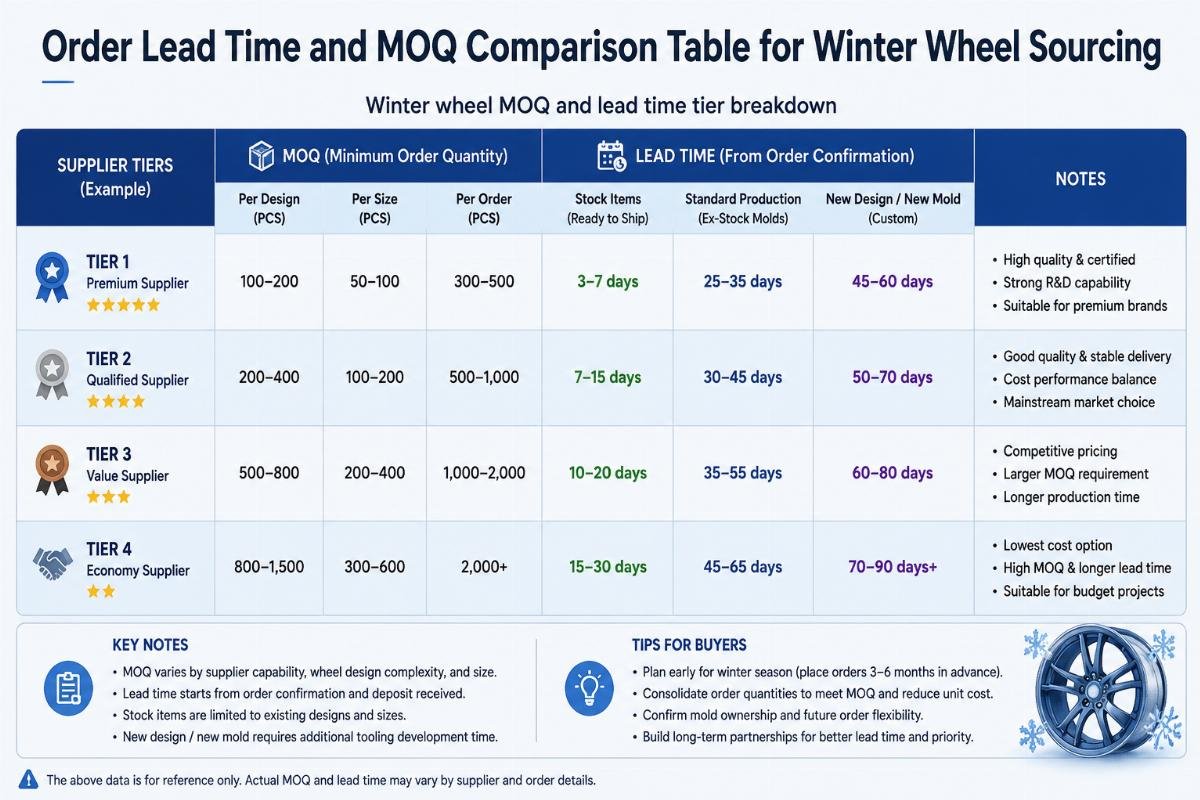
| Order size planning | Order only full container loads to hit advertised price breaks | Use tiered MOQ options for small test runs before scaling to bulk |
| Regional compliance | Assume all suppliers hold global certification for all markets | Confirm specific certification for your target region before issuing PO |
| Lead time forecasting | Lock in 90+ day lead times to hit lowest per-unit pricing | Use stocked model inventory for fast seasonal restocks and custom lines for planned bulk orders |
A European tuning shop placed an 80-piece custom order for 18-20 inch passenger car winter wheels with a matte black corrosion-resistant finish in late 2024, and received full delivery in 22 days, just in time to meet pre-orders for the winter season that would have been lost if they had used a standard 8-week lead time supplier.
- Regional Certification Alignment – Confirm your supplier holds valid documentation for the exact standards required in your target market, including DOT for the US, TüV for the EU, and JWL for East Asia.
- Tiered MOQ Utilization – Use 20-piece minimum stocked model orders for test runs and restocks, and 100-piece minimum custom orders for private label and exclusive line production.
- Lead Time Buffer Planning – Build a 2-week lead time buffer into seasonal restock orders to account for unexpected port delays or production bottlenecks.
How to Source Cost-Effective Compliant Winter Wheels from China Manufacturers
Verified China-based suppliers deliver multi-certified corrosion-resistant winter wheels at identical or lower price points than standard alloy wheels, with flexible terms for every order size. Many buyers still hold the outdated assumption that winter wheels carry a 20% price premium over standard lines, but factory-direct production eliminates the markup that creates that gap in western brand offerings.
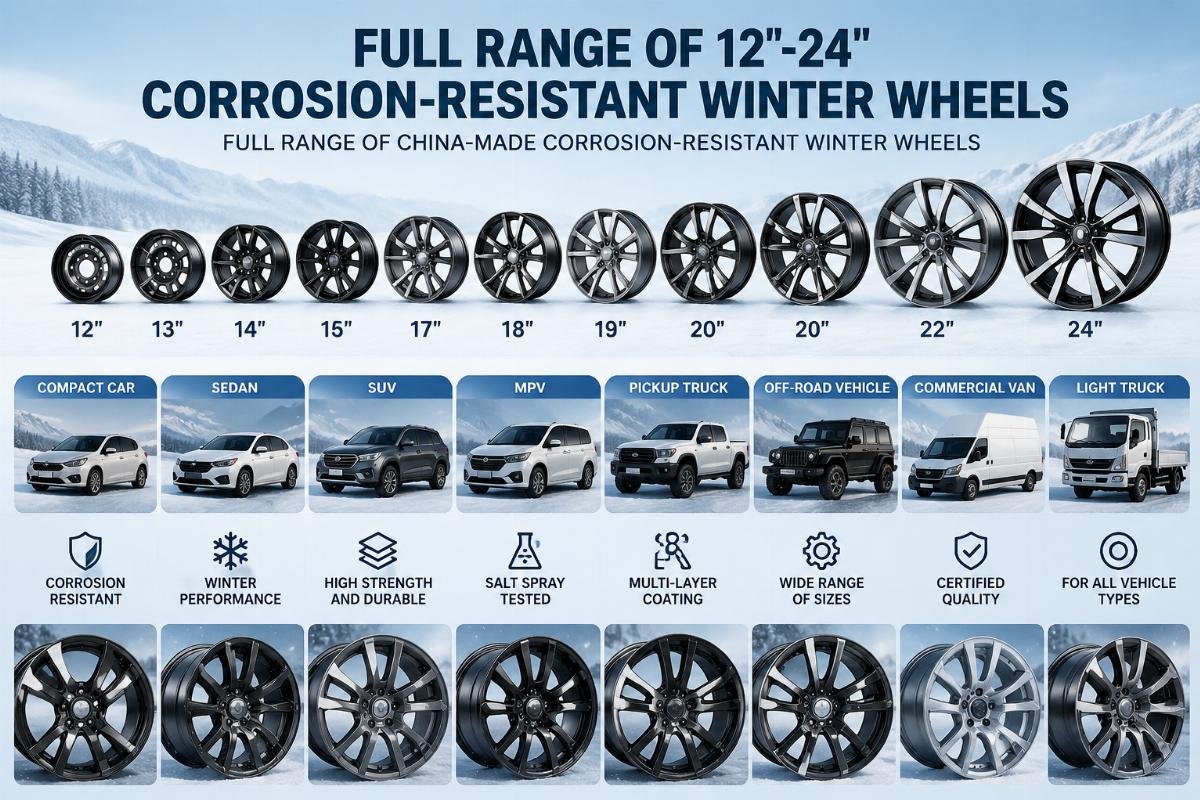
For reference, Jinan Yoker Auto Parts’ full line of 12-24 inch corrosion-resistant winter wheels across all vehicle categories holds ISO, VIA, TüV, DOT, and JWL multi-certification, offers MOQ starting at 20 pieces for stocked models and 100 pieces for custom lines, and comes with a 3-year structural warranty for all units sold globally.
- Factory-Direct Pricing Filter – Prioritize suppliers that publish transparent pricing aligned with the 40-60% cost savings benchmark vs European and Japanese brand equivalents.
- Customization Confirmation – Confirm the supplier can accommodate custom finishes, private labeling, and bespoke fitments for your specific customer base without extended lead times.
- After-Sales Support Check – Verify the supplier provides full customs documentation and a clear structural warranty process to eliminate post-delivery administrative and defect resolution work.
Conclusion
**The most reliable winter wheel performance comes from layered pre-finish protection and independent third-party testing, not visible

