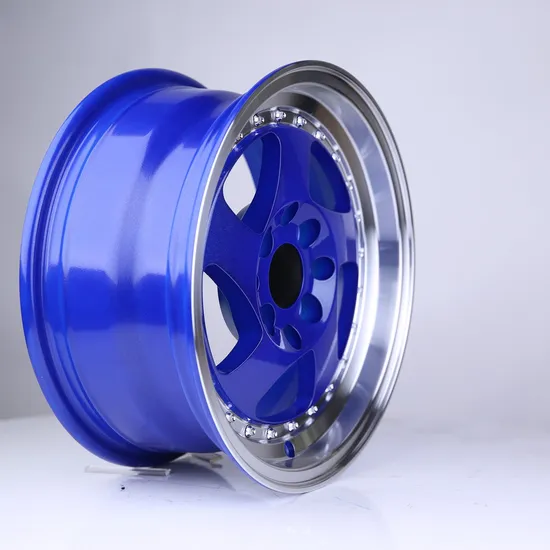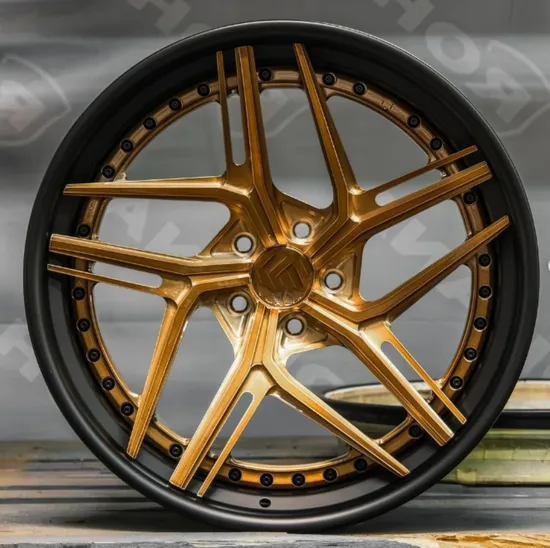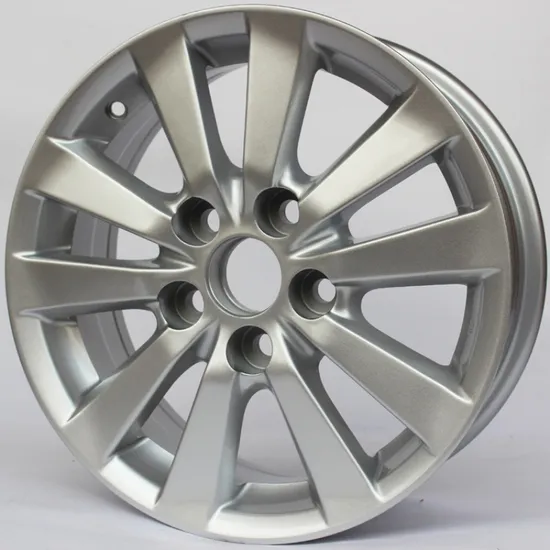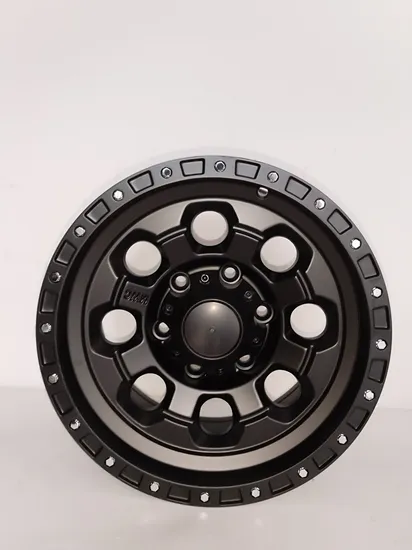
SUV and 4WD Upgrades Wholesale Alloy Wheels for Distributors
Bigger wheels do not guarantee better off-road performance; in fact, incorrect offset values can cause severe suspension binding.
Successful SUV and 4WD wheel upgrades require balancing load capacity, heat dissipation, and terrain-specific durability, moving far beyond mere aesthetic parameters to prevent catastrophic field failures.
Years ago, when I was sourcing parts for modification shops in Dubai, I imported a batch of SUV off-road rims that looked absolutely stunning on the showroom floor. However, the moment those vehicles hit the desert edge, the brutal combination of high-temperature sun exposure and intense vibrations caused the glossy clear coats to peel off almost immediately. Worse still, the offset values were miscalculated, leading to the wheels rubbing against the suspension components during full compression. The backlash from the shop owners was severe. That specific failure taught me that selling 4WD alloy wheels for repair shops requires looking past the spec sheet and understanding the actual terrain. Now, whenever I help distributors navigate SUV wheel distribution trends, my mind immediately runs through the thermal stress of desert highways and the structural shock of rocky trails.
Transitioning from those early procurement mistakes to a more systematic approach means recognizing that standard wheels often fail because they are designed for paved aesthetics, not off-road survival.
Why Do Standard Wheels Fail in Extreme 4WD Conditions?
Standard wheels fail in extreme 4WD conditions primarily because they ignore terrain-specific stress, leading to structural fatigue and coating degradation.
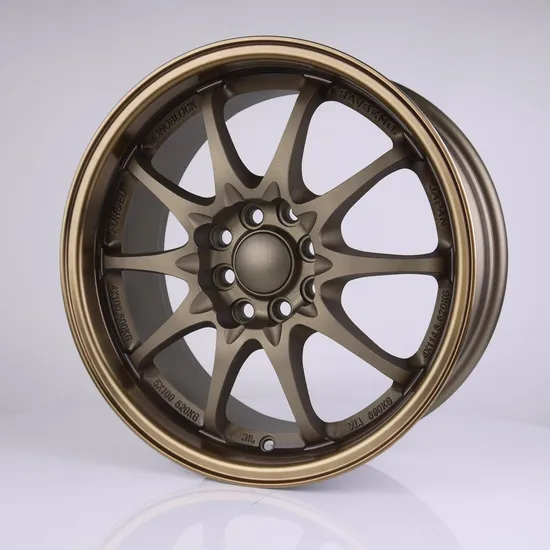
When we look at the root causes of field failures, the majority of complaints from off-road enthusiasts and fleet operators stem from a mismatch between the wheel’s engineering and the environment. A glossy finish might look premium in a catalog, but specialized matte or textured coatings survive extreme UV radiation and abrasion significantly better. In high-heat environments like the Middle East, the brake components generate immense thermal energy. If a wheel lacks proper heat dissipation design, the coating will blister and peel, leaving the bare alloy vulnerable to oxidation.
Conversely, in rocky terrains, the focus shifts to structural load. The impact forces from hitting sharp rocks can exceed the yield strength of a standard cast wheel, causing micro-cracks that eventually lead to catastrophic failure. It is a common misconception that thicker always means stronger; without proper alloy composition and heat treatment, a heavy wheel is just a liability. Understanding these failure modes is the first step in selecting reliable off-road wheel specifications for your inventory.
How to Verify Load Capacity and Heat Dissipation?
Verifying load capacity and heat dissipation requires rigorous testing protocols and precise parameter matching to ensure structural integrity under extreme stress.
You cannot simply guess the load rating based on visual thickness. Load rating calculations must account for the gross vehicle weight plus the dynamic impact forces generated during off-road driving. According to international automotive standards, verifying these ratings involves subjecting the wheels to radial fatigue and cornering fatigue tests that simulate real-world abuse [NEED_CITE: international automotive standards for wheel fatigue testing].
Heat dissipation is equally critical. Thermal dissipation testing evaluates how effectively the wheel’s spoke design and mass allow heat to escape from the brake rotors. Wheels with overly dense, closed-spoke designs might look aggressive, but they trap heat, leading to brake fade and coating failure.
Consider a case involving a fleet operator in a high-temperature region. They initially sourced wheels based purely on load index, ignoring thermal dynamics. The wheels held up structurally, but the brake systems overheated constantly, leading to a high rate of warranty claims and customer dissatisfaction. By switching to designs with optimized ventilation and verified thermal thresholds, the fleet reduced brake-related downtime noticeably. This highlights why distributors must demand verifiable test data rather than just self-reported numbers.
What Specifications Matter Most for Distributors and Shops?
For distributors and shops, ET values, load ratings, and terrain-specific finishes dictate the success of SUV and 4WD wheel upgrades.
When managing inventory for 4WD alloy wheels for repair shops, the technical parameters must align perfectly with the local market’s needs. The offset (ET) value is perhaps the most misunderstood specification. An incorrect ET value does not just ruin the stance of the vehicle; it alters the scrub radius, leading to premature wheel bearing failure and suspension binding. Verifying offset clearance margins is non-negotiable.
Furthermore, the load index ratio must be matched to the vehicle’s intended use. A wheel suitable for a mall-crawler SUV will not survive the payload of a fully loaded overland expedition vehicle.
Let us look at a specification matrix to understand the qualitative differences in manufacturing approaches:
| Specification Factor | Basic Commercial Grade | Certified Off-Road Grade |
|---|---|---|
| Structural Certification | Self-reported / Not provided | Verifiable (JWL/VIA/TÜV) |
| Coating Durability | Vulnerable to UV/Impact | Resistant to extreme conditions |
| Batch Consistency | Sample-level only | Full batch-level traceability |
| Offset Tolerance | Uncontrolled | Controlled precision |
A distributor in Latin America once faced a situation where a batch of wheels had inconsistent offset values, causing a high return rate from local tuning shops. By shifting to a supplier that enforces controlled precision and provides full batch-level traceability, they eliminated the fitment issues and built a reputation for reliability.
How to Source Reliable 4WD Wheels for Your Market?
Partnering with certified manufacturers ensures quality, compliance, and the ability to customize for extreme conditions, securing long-term market success.
Sourcing reliable off-road wheel specifications is not just about finding the lowest price per piece; it is about mitigating risk and ensuring consistency. The market is flooded with wheels that look identical but fail under pressure. To protect your brand and your customers, you must source from manufacturers that hold multi-certifications such as VIA, TÜV, and JWL. These certifications are not just marketing badges; they represent a commitment to international safety and performance standards [NEED_CITE: industry market research on certified wheel sourcing].
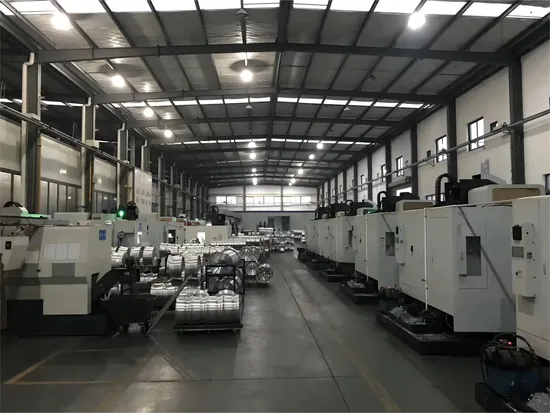
This is where the right manufacturing partner becomes a strategic asset. For instance, working with a specialized manufacturer like Jinan Yoker Auto Parts Co., Ltd. under the Ouya trademark offers distinct advantages for distributors. Their production facilities operate under strict ISO standards, ensuring that whether you are ordering 12-inch wheels for a compact SUV or 24-inch rims for a luxury modified truck, the structural integrity remains uncompromised.
What sets a reliable partner apart is the ability to provide custom finishes tailored for extreme conditions. If your market involves coastal areas with high salt exposure or deserts with intense UV radiation, having access to factory-direct custom paint and specialized coatings is crucial. Moreover, the stability of lead times and the reduction of warranty claims through consistent batch quality directly impact your bottom line. A partner that offers a comprehensive structural warranty and maintains strict quality control allows you to focus on growing your distribution network rather than handling field failures.
Conclusion
Navigating the complexities of SUV and 4WD wheel upgrades demands a shift from aesthetic focus to rigorous technical validation. By prioritizing load capacity, thermal management, and precise offset specifications, distributors and repair shops can significantly reduce field failures and build lasting trust with their customers. Sourcing from certified manufacturers who understand the brutal realities of off-road environments ensures that every wheel delivered is not just a visual upgrade, but a reliable component engineered for survival.