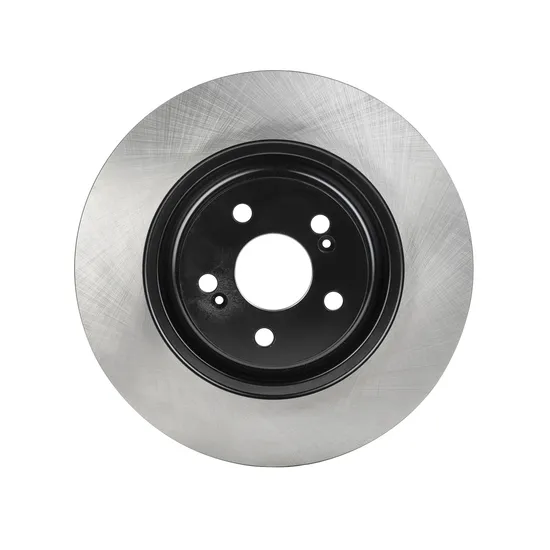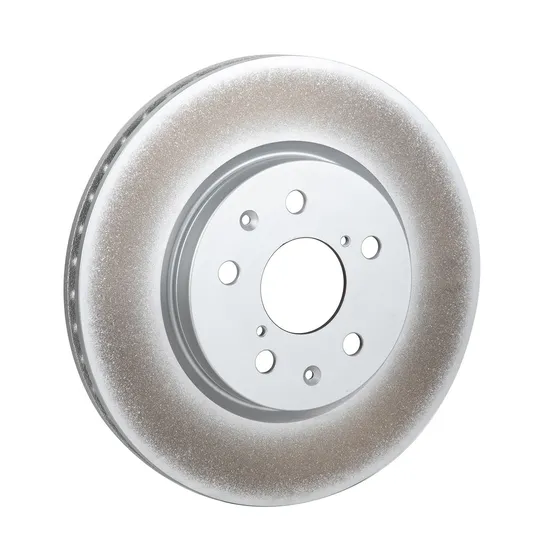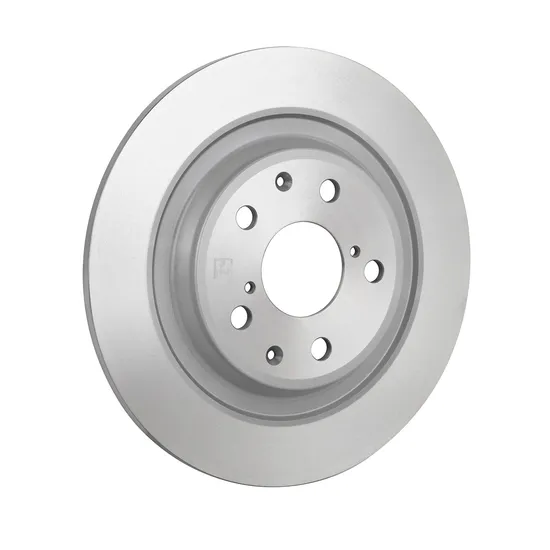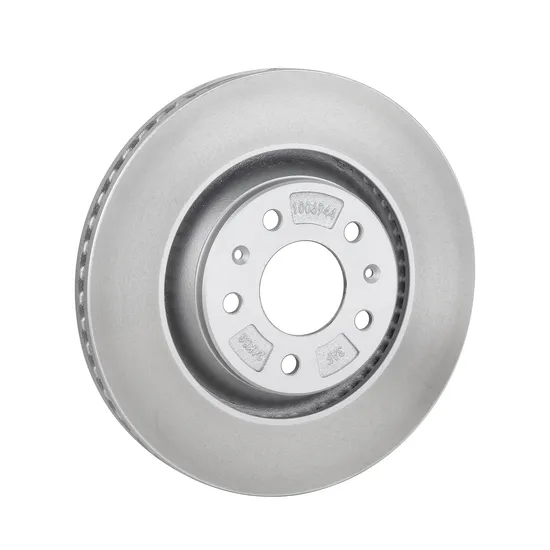
Understanding Uneven Brake Disc Wear for Wholesale Auto Parts Buyers
Most buyers assume uneven brake disc wear stems from poor friction material quality, but the real culprits are almost always stuck caliper guide pins or improper hub mounting stress.
Uneven brake disc wear is primarily caused by external mechanical stress rather than inherent material defects. Specifically, caliper guide pins lacking lubrication in dusty environments or excessive hub installation torque transfer abnormal stress to the rotor, leading to thickness variation and premature returns.
Years ago, when I was handling shipping documents before transitioning to the Middle East market, a client in Riyadh returned a massive shipment of brake rotors. They claimed the discs were defective. I flew to their local repair shops and watched the mechanics work. The extreme heat combined with fine desert sand had completely seized the caliper guide pins. The pads were dragging constantly, generating localized hot spots and severe uneven brake disc wear. That entire batch was scrapped locally, and the freight losses were devastating. Since then, I have focused entirely on braking system failure analysis. Now, when I visit warehouses across the region, I can instantly tell whether a rotor failed due to caliper drag or mounting stress just by examining the scratch patterns and measuring the thickness variation. [NEED_CITE: root cause distribution of brake rotor failures in high-temperature arid climates]
Let us break down the exact troubleshooting methodology to help you identify the true root causes and protect your profit margins.
Why Do Brake Rotors Wear Unevenly?
The fundamental cause of uneven brake disc wear lies in external mechanical stress and environmental contamination, not casting defects or substandard metallurgy.
When a rotor does not wear evenly, the friction material is not the primary suspect. The braking system is a closed hydraulic and mechanical loop. If any external force restricts the rotor’s free rotation or prevents the caliper from floating correctly, the pad will press against the rotor unevenly. This creates localized friction, generating extreme heat that alters the metallurgical structure of the cast iron, forming hard spots. These hard spots wear differently than the surrounding metal, resulting in brake disc thickness variation. [NEED_CITE: metallurgical phase transformation in cast iron rotors due to localized overheating]
Many retailers mistakenly blame the foundry when they see warped or unevenly worn surfaces. However, the vast majority of these issues originate from the installation environment or the surrounding hardware. Understanding this distinction is the first step in reducing your售后索赔 (after-sales claims) and building trust with your workshop clients.
How to Diagnose Caliper Drag-Induced Uneven Wear?
You can precisely locate caliper-related faults by inspecting the guide pins and analyzing the directional distribution of scratches on the rotor surface.
In regions with high temperatures and heavy sand exposure, the caliper guide pins are highly vulnerable. If the protective rubber boots tear or the factory grease dries out, sand infiltrates the mechanism. The caliper can no longer float freely, causing the inner pad to remain in contact with the rotor even when the brake pedal is released.
Follow this step-by-step diagnostic method to confirm caliper drag:
- Visual Scratch Analysis: Remove the wheel and inspect the rotor surface. If the scratches run in a specific directional pattern or if there is a distinct bluish heat tint on one side of the rotor, it indicates constant dragging. [NEED_CITE: visual inspection standards for identifying localized rotor overheating]
- Guide Pin Sliding Resistance Test: Remove the caliper bracket. Manually slide the guide pins in and out. They should move smoothly with zero resistance. If you feel any grit or binding, the pin is compromised.
- Pad Wear Comparison: Measure the thickness of the inner and outer brake pads. A significant difference in wear depth confirms that the caliper was not applying equal pressure or failing to retract properly.
I once dealt with a fleet operator in Dubai who kept experiencing uneven brake disc wear on their delivery vans. By applying this exact sliding resistance test, we found that the guide pins were completely seized due to sand ingress. Replacing the pins and upgrading the grease formulation solved the issue entirely.
How Does Hub Installation Stress Cause Rotor Deformation?
Improper hub assembly torque directly transfers mechanical stress to the brake disc, causing lateral runout and subsequent uneven brake disc wear.
This is a massive blind spot for many modification shops and retail installers. When mounting a wheel, if the lug nuts are over-torqued, tightened in an incorrect sequence, or if the mating surfaces are dirty, the clamping force becomes uneven. This excessive stress transfers through the wheel hub directly into the brake rotor hat section. The rotor is essentially clamped in a distorted state. When the vehicle moves, this distortion causes lateral runout, meaning the rotor wobbles slightly against the brake pads. Over time, this constant micro-contact polishes specific high spots on the rotor, leading to severe brake disc thickness variation. [NEED_CITE: relationship between improper lug nut torque sequence and brake rotor lateral runout]
This is precisely where the quality of your wheel accessories becomes a critical factor in braking system health. If the lug nuts stretch unevenly or the center caps do not align the wheel perfectly on the hub, the stress distribution is compromised. At our facility, we engineer our wheel accessories, including center caps and lug nuts, to strict OEM matching standards. The precise thread pitch and seating angle of our lug nuts ensure that clamping force is distributed evenly across the hub face. By using compliant, precision-machined accessories, installers can properly release installation stress, protecting the braking system from deformation-induced uneven brake disc wear.
To prevent this, installers must always use a calibrated torque wrench and follow the manufacturer’s star-pattern tightening sequence.
How Can Buyers Establish an Inbound Quality Control Process?
Implementing a standardized brake disc thickness variation measurement and sampling protocol effectively intercepts defective batches before they reach end-users.
Sometimes, uneven brake disc wear complaints stem from batch consistency issues during transit or storage. If rotors are stacked improperly without adequate support, or if the packaging is exposed to moisture leading to surface corrosion that is improperly machined off, the initial thickness variation is already out of spec.
To protect your business, establish a rigorous inbound inspection routine:
- DTV Measurement Protocol: Use a calibrated micrometer to measure the disc thickness at multiple points around the circumference. Calculate the difference between the maximum and minimum readings. Any variation exceeding the industry standard threshold indicates a defective batch. [NEED_CITE: standard measurement procedures for brake disc thickness variation using a micrometer]
- Lateral Runout Check: Mount a sample rotor from the batch on a true hub and use a dial indicator to measure lateral runout. This simulates the hub stress condition and reveals hidden casting or machining flaws.
- Sampling Ratio: For every incoming container, randomly select a statistically significant sample from different pallets. Do not just check the top boxes.
A wholesale distributor in South America once faced a wave of warranty claims. By implementing a strict DTV spot-check upon arrival at their warehouse, they identified a shipment where the rotors had been compressed during ocean freight, altering their flatness. They rejected the batch before distributing it to retailers, saving themselves from a catastrophic reputational hit.
Conclusion
Identifying the true origin of uneven brake disc wear requires looking beyond the rotor itself to the caliper hardware and wheel mounting practices.
By mastering the diagnosis of guide pin drag and understanding how installation stress alters rotor geometry, wholesale buyers can drastically reduce unwarranted returns. Pairing this technical knowledge with precision-machined wheel accessories ensures that the entire rotating assembly functions in harmony, securing both vehicle safety and your business reputation.