Summer 25% discount on all last year's bike models

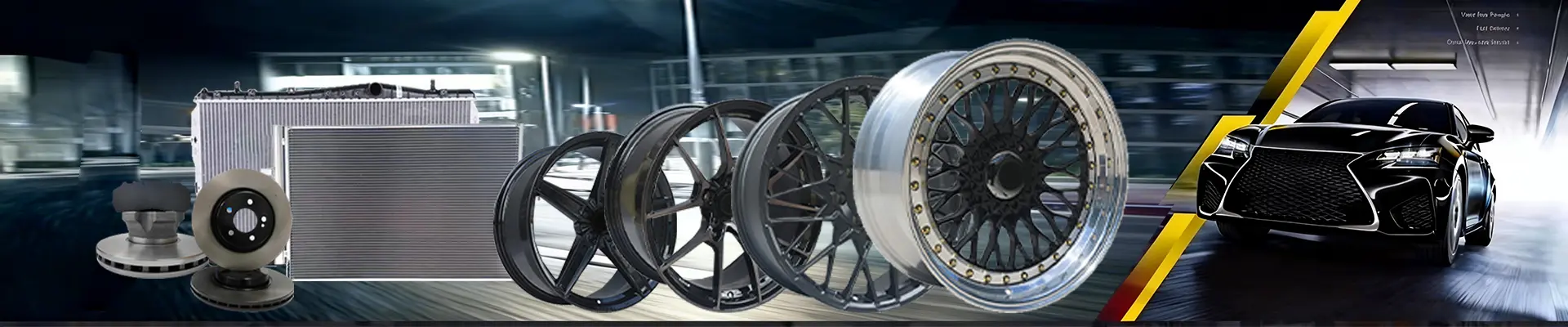
Buy 15 Inch Alloy Wheels Bulk Order Wholesale Supplier

Buy 15 Inch Alloy Wheels Bulk Order Wholesale Supplier
Most buyers think "15 inch" is enough to place an order. The truth is, a single mismatched bolt pattern or offset value can turn a full container into dead stock.
When sourcing a 15 inch alloy wheels bulk order wholesale supplier, the core answer lies in balancing fitment accuracy (bolt pattern, offset, center bore), MOQ flexibility, and market-specific certifications. A factory-direct source cuts per-piece cost noticeably while keeping batch-to-batch consistency, which is where most bulk buyers lose money without realizing it.
I still remember a shipment heading to Veracruz. The buyer had ordered a full container of 15-inch wheels for a fleet renewal program. Everything looked right on the invoice—size, finish, quantity. But the offset spec on the packing list didn’t match the actual production run. Mexican customs held the container for weeks, and the demurrage bill ended up eating a chunk of the buyer’s margin for that entire quarter. That kind of mistake doesn’t come from bad intentions; it comes from treating wheel specs like generic dimensions instead of precision fitment data. [NEED_CITE: common causes of wheel fitment disputes in aftermarket imports]
Let me walk you through the exact parameters, supplier comparison logic, certification requirements, and documentation pitfalls that separate a smooth bulk order from a costly one.
What Specs Matter When Buying 15 Inch Alloy Wheels in Bulk?
Bolt pattern, offset, center bore, and width define whether the wheel physically fits; surface finish and structural process define whether it sells and survives.
When a fleet operator or retail chain places a 15 inch alloy wheels bulk order wholesale supplier inquiry, the first conversation should never start with price. It should start with the vehicle coverage list. The 15-inch segment remains one of the highest-volume categories globally because it covers a massive range of entry-level and mid-range passenger vehicles, light commercial vans, and fleet sedans popular across Latin America, the Middle East, Africa, and Southeast Asia. [NEED_CITE: global vehicle parc data for 15-inch wheel fitment segments]
Here is how the key specs break down in real procurement:
| Parameter | Why It Matters | Typical Range for 15 Inch | Risk if Wrong |
|---|---|---|---|
| Bolt Pattern | Determines hub compatibility | 4×100, 5×100, 5×114.3, 5×115 | Wheel cannot mount; returns |
| Offset (ET) | Affects scrub radius and bearing load | ET35 to ET45 typical | Steering pull, bearing wear, fender rub |
| Center Bore | Hub-centric fitment | 54.1mm, 56.1mm, 60.1mm, 67.1mm, 73.1mm | Vibration if not hub-centric |
| Width | Tire stretch and sidewall profile | 5.5J to 7J | Tire bead seating issues |
| Load Rating | Safety margin for vehicle weight | Must meet or exceed OEM spec | Structural failure risk |
| Surface Finish | Aesthetic and corrosion resistance | Machined face, matte black, hyper silver, chrome | Premature corrosion, customer complaints |
Notice how offset sits right next to bolt pattern in importance. A Middle East modification shop once ordered a batch of 15-inch wheels in matte black for a popular Japanese sedan platform. The bolt pattern was correct. The center bore was correct. But the offset was pushed too aggressive for the stock suspension setup. The wheels looked great in the showroom, but after a few hundred kilometers of real-world driving, customers started reporting steering vibration and uneven tire wear. The shop had to eat the replacement cost and the reputational damage. [NEED_CITE: relationship between wheel offset and steering geometry in aftermarket applications]
Surface finish is another area where bulk buyers get surprised. A machined face finish looks premium and commands a higher retail price, but the production cycle is longer and the cost per piece is noticeably higher than a full paint finish. For a fleet vehicle order where durability matters more than showroom shine, a matte black or gunmetal full paint finish delivers better value and faster turnaround. For a tuning shop targeting enthusiasts, the machined face or chrome option justifies the margin.
The key takeaway: never approve a 15 inch alloy wheels bulk order wholesale supplier quote without confirming every single fitment parameter against the target vehicle list. A spec sheet that only lists diameter and width is a red flag.
How to Compare MOQ, Lead Time, and Pricing Across Suppliers?
Stock models can go as low as a few dozen pieces; custom orders typically start at triple digits. Factory-direct pricing undercuts branded equivalents by a wide margin, but only if the supplier runs real production capacity.
The 15-inch wheel segment is unique because it straddles two very different buyer profiles. On one side, you have tire shops, auto parts retailers, and e-commerce sellers who want to test a few SKUs before committing to volume. On the other side, you have fleet operators, regional distributors, and OEM assembly plants who need container-load consistency over repeated production runs. A credible 15 inch alloy wheels bulk order wholesale supplier must serve both without compromising either.
Here is how the typical supplier landscape breaks down:
| Supplier Type | MOQ (Stock) | MOQ (Custom) | Lead Time | Price Position | Batch Consistency |
|---|---|---|---|---|---|
| Trading Company | Low | Medium | Variable | Mid-range | Uncontrolled |
| Small Factory | Medium | Medium | Standard | Competitive | Standard |
| Large Certified Manufacturer | Low | Low | Short | Factory-direct | Full batch-level |
A Latin American fleet client came to us needing 15-inch steel-look alloy wheels for a vehicle conversion program. The spec called for a specific 5×114.3 bolt pattern, a tight offset range, and a matte black finish with clear coat. They needed enough units to fill a full container, and they needed them within a window that allowed for ocean freight before their registration deadline. Because the manufacturer maintains rolling stock of popular 15-inch fitments and runs custom finishes on dedicated production lines, the order moved from confirmation to container loading within a standard production cycle. The per-piece cost landed well below what the client would have paid sourcing through a Japanese or European brand channel, and the batch consistency meant every wheel in the container matched the same paint thickness and balance tolerance. [NEED_CITE: cost structure comparison between factory-direct alloy wheels and branded aftermarket equivalents]
Here is where the trap lies. Some suppliers quote attractively low prices but outsource production to multiple uncontrolled workshops. The first batch might look fine. The second batch, six months later, shows visible color variation or slightly different spoke profiles. For a retail seller listing on e-commerce platforms, that inconsistency triggers negative reviews. For a distributor, it triggers return claims. When evaluating a 15 inch alloy wheels bulk order wholesale supplier, always ask whether the quoted price comes from a single production source with documented process control, or whether it is a blended price from mixed workshops.
Which Certifications Are Essential for Your Target Market?
Different markets demand different certification stamps. Skipping the right one does not save money—it creates customs blocks, liability exposure, and unsellable inventory.
This is the section where most bulk buyers make their most expensive mistakes. Certification is not a marketing checkbox. It is a legal and logistical requirement that varies sharply by destination country. A 15 inch alloy wheels bulk order wholesale supplier who cannot produce the correct certification paperwork for your target market is not a supplier worth ordering from, regardless of how attractive the price looks.
Let me break down the certification landscape by region:
| Target Market | Core Certification | Supporting Documentation | Consequence of Missing |
|---|---|---|---|
| United States | DOT compliance | DOT marking on wheel, test reports | Customs hold, product recall risk |
| Europe | TÜV / VIA / JWL | TÜV certificate, technical data sheet | Cannot register vehicles with wheels |
| China (OEM supply) | CCC | CCC certificate, factory audit report | Cannot supply to OEM assembly |
| Middle East / Africa | CO + full customs set | Certificate of Origin, HS code, packing list with exact gross/net weight | Port demurrage, customs rejection |
| Japan / Australia | VIA / JWL | VIA test report, JWL marking | Registration refusal |
An African auto parts distributor once ordered a large batch of 15-inch wheels for popular Toyota and Nissan platforms common in the region. The wheels themselves were perfectly fine. But the shipment arrived at the destination port without a properly issued Certificate of Origin, and the HS code on the commercial invoice did not match the local tariff classification for alloy wheels. The container sat at the port for weeks. The demurrage charges alone cost several times what a proper documentation package would have cost upfront. [NEED_CITE: common customs documentation failures in alloy wheel imports to African markets]
The manufacturer behind the Ouya brand maintains ISO, VIA, TÜV, DOT, JWL, and CCC certifications across its production facilities. This means that whether the 15 inch alloy wheels bulk order wholesale supplier inquiry comes from a buyer in Houston, Hamburg, Lagos, or São Paulo, the certification backbone is already in place. The buyer does not need to beg for test reports or hope that the factory can produce a certificate after the goods are already on the water.
How to Avoid Customs Delays and Quality Disputes?
The difference between a smooth clearance and a port nightmare is not luck. It is whether the bill of lading, packing list, and commercial invoice match the physical goods down to the last decimal point.
I mentioned the Veracruz story at the beginning. Let me add another layer. The problem was not just the offset mismatch. The packing list had a rounding error on the gross weight per carton. That small discrepancy triggered a customs inspection, which then uncovered the offset deviation. Two problems layered on top of each other, and the buyer paid for both.
When you place a 15 inch alloy wheels bulk order wholesale supplier order, the documentation workflow should be treated with the same seriousness as the production workflow. Here is what a bulletproof documentation package looks like:
- Commercial Invoice: Exact product description, correct HS code for alloy wheels (not steel wheels, not wheel accessories), accurate unit price and total value, correct Incoterms.
- Packing List: Piece count per carton, cartons per pallet, pallets per container, gross weight and net weight per carton verified against actual production output—not estimated.
- Bill of Lading: All parameters matching the commercial invoice and packing list exactly. Any deviation here is what triggers customs flags.
- Certificate of Origin: Issued by the correct authority, matching the exporter of record.
- Certification Copies: DOT, TÜV, VIA, or other market-specific certificates included where required.
A Southeast Asian e-commerce seller was importing 15-inch wheels for Amazon-ready packaging and resale. The first shipment went smoothly. The second shipment, placed through a different sourcing agent, arrived with packaging that did not match the listed dimensions. The carrier applied surcharges, and the seller had to re-label every single carton before the warehouse would accept them. The cost of that rework wiped out the margin difference the seller thought they were saving by switching suppliers. [NEED_CITE: impact of packaging and documentation accuracy on last-mile fulfillment for imported automotive parts]
The Ouya production facility provides complete customs documentation support as a standard part of the order process. This is not an add-on service or a favor. It is a built-in workflow because the manufacturer understands that a wheel sitting at a port is a wheel that is not generating revenue for the buyer. When evaluating a 15 inch alloy wheels bulk order wholesale supplier, ask explicitly: who prepares the documentation, and do they verify it against actual production data before the container is sealed?
Conclusion
A successful 15 inch alloy wheels bulk order wholesale supplier partnership depends on three things: exact fitment data, real production capacity with certification coverage, and documentation discipline that treats every parameter as non-negotiable. Price matters, but price without spec accuracy, batch consistency, and customs-ready paperwork is just a faster way to lose money. The buyers who treat these elements as a unified system—not separate checkboxes—are the ones whose containers clear the port on time and whose customers never see a vibration complaint.


