Summer 25% discount on all last year's bike models

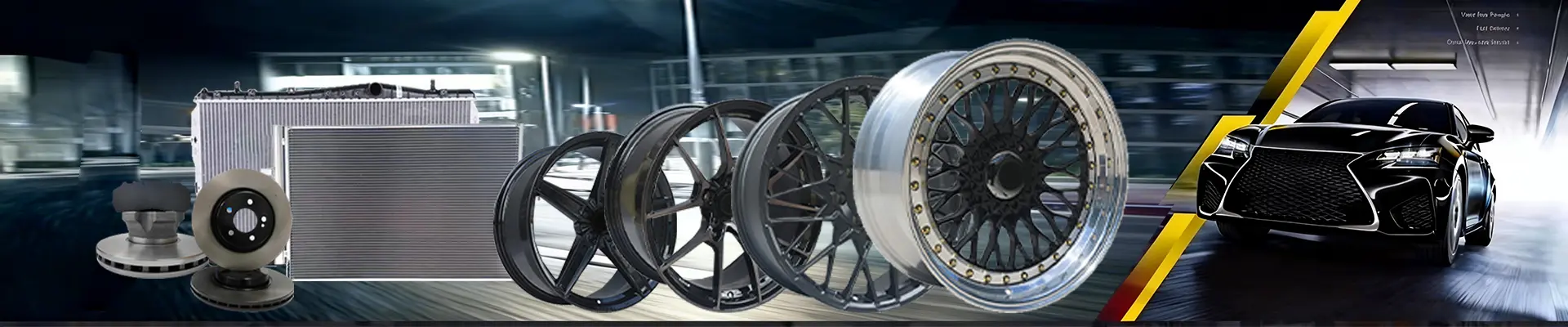
Alloy Wheels 12″-24″ for Turkey Market: Wholesale Supplier & OEM Bulk

Alloy Wheels 12"-24" for Turkey Market: Wholesale Supplier & OEM Bulk
Most buyers assume the lowest unit price wins the Turkish market. In reality, customs compliance costs routinely swallow the entire margin advantage.
For the Turkey aftermarket, 16-18 inch low-pressure cast alloy wheels dominate volume sales, while 19-20 inch forged multi-spoke and deep concave styles serve the modification segment. VIA or TÜV structural certification is non-negotiable for customs clearance, and packaging labels must carry verifiable certification marks before shipment. Missing either element means container detention at the port, not a pricing negotiation.
I still remember a full container of 16 inch low-pressure cast alloy wheels for Turkey that sat at the port for weeks because the packaging lacked the required VIA certification label. The rework and detention fees ended up consuming most of the profit margin that the buyer had fought so hard to negotiate down. That container was heading to an Istanbul distributor who had sourced the lowest quoted price in the region, but the compliance gap turned what looked like a winning deal into a financial lesson. Since then, I have tracked Turkish import regulations, certification requirements, and labeling standards with the same intensity I apply to wheel runout specs. [NEED_CITE: Turkish customs procedures for imported alloy wheels and required structural certifications]
Getting the sizing, certification, and documentation right from the start is what separates a profitable shipment from a port-side headache. Let us break down exactly what Turkish buyers need in 2026.
What Are the Best-Selling Alloy Wheel Sizes in Turkey?
The 16-18 inch range accounts for the majority of aftermarket alloy wheel volume in Turkey, while 19-20 inch sizes serve a narrower but higher-margin modification segment.
When you walk through tire retail shops in Izmir or browse the inventory of a mid-size distributor in Istanbul, the shelves tell a clear story. The 15-17 inch segment moves steadily as replacement wheels for Japanese and Korean nameplates that dominate Turkish roads. The 16-18 inch range sits at the center of aftermarket demand, covering a wide span of European and domestic vehicles. The 19-20 inch sizes appear primarily in modification shops in Ankara and Istanbul, where owners of German sedans and premium SUVs want aggressive fitments.
| Size Range | Primary Application | Typical PCD Coverage | Target Customer Segment |
|---|---|---|---|
| 15-17 inch | Economy replacement | 4×100, 5×114.3 | Tire shops, retail chains |
| 16-18 inch | Mainstream aftermarket | 5×112, 5×114.3, 5×120 | Distributors, general retailers |
| 19-20 inch | Modification and tuning | 5×112, 5×120, 5×130 | Tuning shops, enthusiast buyers |
The offset values in Turkey tend to cluster in the mid-range, with ET values between 35 and 45 covering most popular applications. [NEED_CITE: common PCD and offset specifications for aftermarket alloy wheels in the Turkish vehicle parc] A wholesale supplier preparing a container for Turkey should prioritize SKU combinations that weight heavily toward the 16-18 inch range, with a smaller allocation of 19-20 inch styles for modification shop accounts.
I worked with an Izmir-based tire retailer who ordered a full container of 15-17 inch cast wheels for the Japanese and Korean vehicle segment. The unit cost was competitive, and the container filled efficiently because the smaller diameters allowed more pieces per rack. The turnover cycle was short because these sizes matched the daily replacement demand at his counters. Contrast that with an Ankara modification shop ordering 19-20 inch forged wheels in multi-spoke and deep concave profiles. The order quantity was smaller, the per-piece cost was higher, but the margin per unit justified the lower volume. Both buyers sourced from the same alloy wheels for Turkey market supply chain, but their sizing strategies reflected completely different business models.
The takeaway is straightforward: if you are building a general distribution catalog for Turkey, the 16-18 inch range is where your volume lives. The larger sizes are profitable but require targeted customer relationships and tighter inventory management.
Which Certifications Do You Need to Clear Turkish Customs?
VIA or TÜV structural certification, accompanied by properly formatted compliance labels on every box, is the baseline requirement for clearing alloy wheels through Turkish customs.
There is a persistent misconception in the export trade that VIA certification matters only for Japan. The reality is that Turkish customs authorities routinely inspect imported alloy wheels for verifiable structural test certification, and VIA or TÜV marks are the most widely accepted standards. [NEED_CITE: Turkish import regulations and customs inspection requirements for alloy wheel structural certification] Without these marks on the product or packaging, the shipment faces detention, inspection fees, and potentially rework at the port.
| Certification | Scope of Testing | Acceptance in Turkey | Label Requirement |
|---|---|---|---|
| VIA | Corner fatigue, radial fatigue, impact | Widely accepted by customs | Must appear on packaging |
| TÜV | Structural integrity, dimensional accuracy | Widely accepted by customs | Must appear on packaging |
| ISO 9001 | Quality management system | Supporting document only | Not sufficient alone |
| Self-declared | None verified | Rejected at customs | Not accepted |
The distinction between a quality management certificate and a structural test certificate is where many first-time exporters stumble. ISO 9001 confirms that the manufacturer has a documented quality process. It does not prove that any specific wheel design has passed corner fatigue, radial fatigue, or impact testing. Turkish customs inspectors look for the structural test evidence, and that means VIA or TÜV documentation tied to the specific wheel models in the container.
An Istanbul distributor once received a container where the wheels themselves were structurally sound and the pricing was excellent. But the packaging carried no VIA or TÜV identification marks. The customs broker flagged the shipment, the container was held, and the cost of arranging third-party inspection and relabeling at the port erased the price advantage the buyer had secured. The lesson was expensive and entirely avoidable.
When selecting an alloy wheels for Turkey market supplier, confirm in writing that the certification covers the exact wheel models and sizes you are ordering, and that the compliance labels will be applied before the container is sealed. This is not a detail to handle after arrival.
What Styles and Finishes Are Turkish Buyers Looking For?
Multi-spoke, mesh, and deep concave designs paired with machined face, matte black, and gunmetal finishes represent the strongest demand patterns in the Turkish aftermarket.
Turkish buyer preferences track closely with broader European and Middle Eastern trends, but with some local nuances. The mainstream replacement segment favors clean multi-spoke and five-spoke designs in machined face or hyper silver finishes. These styles look modern without being aggressive, and they appeal to the broadest range of vehicle owners. The modification segment leans toward deep concave profiles, intricate mesh patterns, and bold finishes like matte black and gunmetal gray.
| Style Category | Popular Finish Options | Primary Market Segment |
|---|---|---|
| Multi-spoke | Machined face, hyper silver | Mainstream aftermarket |
| Mesh | Matte black, gunmetal | Modification and tuning |
| Deep concave | Brushed silver, bronze | Premium modification |
| Simple five-spoke | Gloss black, chrome | Economy replacement |
Surface finish durability matters significantly in Turkey because of the climate variation across the country. Coastal cities like Izmir expose wheels to salt-laden air, while inland regions experience temperature swings and road salt in winter. [NEED_CITE: surface finish durability requirements for alloy wheels in Mediterranean and continental climates] A matte black finish that looks striking on the showroom floor but fades within a season will generate warranty claims and damage your reputation with retail partners.
I supplied a set of deep concave forged wheels to an Ankara tuning shop that specialized in German vehicle modifications. The client wanted a brushed silver finish with a subtle gunmetal tint in the spoke pockets. The wheels were ordered in staggered fitments, with wider rear sizes. The shop owner told me that the visual depth of the concave profile combined with the two-tone finish was exactly what his customers were requesting. Those wheels turned over quickly because the shop had a steady flow of clients modifying premium sedans and SUVs.
The key insight for any alloy wheels for Turkey market sourcing plan is that style and finish selection should match the specific customer segment you are targeting. A distributor serving tire shops needs different designs than a supplier serving modification shops. Mixing both in a single container is workable, but the SKU allocation must reflect your actual customer mix.
How to Choose the Right Supplier for the Turkey Market?
A reliable alloy wheels for Turkey market supplier must hold multiple structural certifications, demonstrate complete documentation capability, and offer flexible order quantities that match your business model.
The supplier selection process for Turkey is different from sourcing for less regulated markets. You are not just comparing unit prices and lead times. You are evaluating whether the supplier can consistently produce wheels that meet structural standards, package them with compliant labeling, and provide the full set of customs documents that Turkish import regulations require.
| Supplier Capability | Why It Matters for Turkey |
|---|---|
| VIA and TÜV certification | Required for customs clearance |
| ISO quality management | Ensures batch consistency |
| Private-label and OEM marking | Supports brand building in local market |
| Complete customs documentation | Prevents port delays |
| Flexible minimum order quantities | Enables testing new sizes and styles |
The certification stack is the first filter. A supplier that holds only ISO 9001 without VIA or TÜV structural certification cannot serve the Turkish market reliably. You need a manufacturer whose wheels have been tested to international structural standards and whose certification documents are current and verifiable. [NEED_CITE: certification requirements for alloy wheel suppliers exporting to regulated markets]
Documentation capability is the second critical factor. Turkish customs requires a specific set of papers, including commercial invoices, packing lists, certificates of origin, and structural test certificates. Missing or inconsistent documents trigger inspections and delays. I have seen shipments held because the certificate of origin listed a different port of loading than what appeared on the bill of lading. Small discrepancies create large problems.
An Ankara modification shop owner once told me that his previous supplier could not provide the TÜV documentation his customs broker needed. The wheels were excellent, the pricing was fair, but the paperwork gap made the import process unpredictable. He switched to a supplier that maintained a full certification portfolio and dedicated documentation support. The per-piece cost was slightly higher, but the elimination of port delays and the consistency of supply more than compensated for the difference.
When evaluating an alloy wheels for Turkey market supplier, ask for sample certification documents before placing an order. Verify that the certifications cover the specific wheel models and sizes you intend to import. Confirm that the supplier can apply your private-label markings and compliance labels correctly. These steps take a small amount of time upfront and prevent costly problems downstream.
What Are the Key Packaging and Labeling Requirements?
Every box of alloy wheels shipped to Turkey must carry certification labels, correct shipping marks, and product identification that matches the customs documentation exactly.
Packaging and labeling are the final link in the compliance chain, and they are where many shipments fail despite having the right wheels and the right certifications. Turkish customs inspectors check the physical packaging against the submitted documents. If the labels on the boxes do not match the paperwork, the shipment is flagged.
The labeling requirements include the certification mark, the wheel size and specification, the manufacturer identification, and the country of origin. The shipping marks on the outer packaging must include the consignee information, the container number, and the package count. All of this information must be consistent with the commercial invoice and packing list submitted to customs.
| Label Element | Requirement | Risk if Missing |
|---|---|---|
| Certification mark | VIA or TÜV logo on each box | Customs detention |
| Wheel specification | Size, PCD, offset, center bore | Inspection delay |
| Manufacturer ID | Company name or registered mark | Documentation mismatch |
| Country of origin | Clearly marked | Rejection or re-export |
| Shipping marks | Consignee, container, package count | Sorting delays at port |
The labeling must be applied before the container is sealed. Relabeling at the destination port requires customs approval, supervised access to the container, and labor costs that add up quickly. I have seen cases where the relabeling cost at the port was a significant fraction of the original wheel cost per piece. That is a loss that no pricing negotiation can recover.
A distributor in Istanbul learned this lesson when a container arrived with boxes that carried the correct certification information but in a format that did not match what his customs broker had declared. The discrepancy was minor, a different font size and layout, but it was enough to trigger a detailed inspection. The container was held, the broker had to submit amended documentation, and the delay cost the distributor both time and money.
Before finalizing any order for the alloy wheels for Turkey market, share your labeling layout with your customs broker and get written confirmation that it meets current requirements. Regulations change, and a layout that worked last year may not be accepted today. This simple step costs nothing in additional production expense but protects you from port-side surprises.
Conclusion
Sizing, certification, and documentation are the three pillars of successful alloy wheel imports to Turkey, and neglecting any one of them turns a profitable deal into a costly lesson.
The Turkish aftermarket rewards suppliers and buyers who understand that 16-18 inch wheels drive volume, that VIA and TÜV certifications are mandatory for clearance, and that packaging labels must be flawless before the container leaves the factory. Style preferences and finish selections should align with your specific customer segment, whether you serve mainstream tire shops or premium modification shops. And the supplier you choose must be able to back every wheel with verifiable certification and complete customs documentation. Get these elements right, and the Turkish market offers consistent demand and reliable margins.


