Summer 25% discount on all last year's bike models

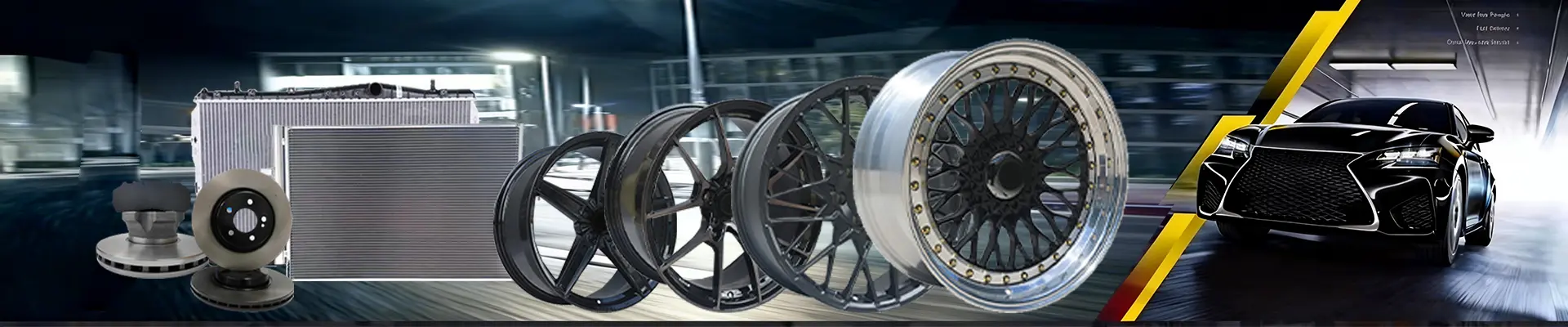
Alloy Wheels Supplier for Pakistan: China Factory Direct OEM

Alloy Wheels Supplier for Pakistan: China Factory Direct OEM
Most buyers think the rim diameter decides everything. In reality, center cap logos, PCD offsets, and bolt seat mismatches cause the majority of shipment rejections at Port Qasim.
When sourcing from an alloy wheels supplier for Pakistan, the critical variables are not wheel size or spoke design—they are PCD accuracy, bolt seat type (cone/ball/flat), center cap diameter and logo alignment, and hub bore tolerance. Getting these "invisible fitment specs" wrong turns a cost-saving factory-direct order into a port-stuck container with air-freight replacement bills on top.
I still remember a batch of machined-face rims we shipped to Karachi years ago. The wheels themselves were flawless, but the center caps carried a generic emblem instead of the Toyota-specific logo the buyer had confirmed by email. The container sat at customs for weeks. The buyer sourced caps locally at a steep premium, and we covered air freight for the correct replacements. That order cost us far more than the price gap we’d initially offered. Since then, I’ve built every Pakistan-bound shipment around a fitment-first checklist, not a size-first one. [NEED_CITE: Pakistan aftermarket wheel import rejection patterns by specification category]
Let me walk you through what actually matters when you’re vetting an alloy wheels supplier for Pakistan, and how to avoid the mistakes that silently destroy margins.
What Specs Matter Most When Sourcing Alloy Wheels for Pakistan?
Wheel diameter and width are the starting point, but PCD, bolt seat geometry, center cap dimensions, and hub bore tolerance determine whether the order fits the vehicle—or fits the port warehouse instead.
The Pakistani aftermarket runs heavily on Toyota (Corolla, Yaris, Hilux, Crossover), Honda (Civic, City), and Suzuki (Alto, WagonR, Swift). Each of these platforms has distinct fitment requirements that do not cross over cleanly.
| Specification | Toyota Corolla/Yaris | Toyota Hilux | Honda Civic/City | Suzuki Alto/Swift |
|---|---|---|---|---|
| PCD | 5×100 | 6×139.7 | 5×114.3 | 4×100 |
| Bolt Seat | Cone | Cone | Cone | Cone |
| Center Cap Diameter | Mid-range | Large | Mid-range | Small |
| Hub Bore | Standard Toyota | Large SUV/Truck | Standard Honda | Compact |
| Typical Size Range | 15"-17" | 16"-18" | 16"-18" | 13"-15" |
[NEED_CITE: PCD and bolt seat specification matrix for South Asian aftermarket vehicle platforms]
A distributor in Lahore once ordered a full container of Hilux-fitment wheels. The PCD was correct, but the bolt seat profile was machined for ball-seat lug nuts instead of cone-seat. The wheels physically mounted on the hub, but the contact surface was wrong—vibration complaints started within weeks. The return rate on that batch was significant, and the mold rework cycle ate into an entire selling season.
Here’s what I check before confirming any order for this market:
- PCD verification against the exact model year, not just the model name—mid-cycle facelifts sometimes change bolt patterns
- Bolt seat type matched to the vehicle’s original lug nut specification, confirmed with a physical sample, not a catalog drawing
- Center cap outer diameter and retaining clip type, because snap-in caps and screw-in caps are not interchangeable
- Hub bore diameter tolerance, especially for hub-centric fitment where even a slight oversize causes vibration at highway speeds
- Offset range compatibility with stock brake caliper clearance, particularly on lower-profile SUV fitments
The takeaway is straightforward: an alloy wheels supplier for Pakistan who only asks you for rim diameter and finish color is not a supplier you should trust with your reputation.
How to Verify a China Factory’s Capability for Pakistan Orders?
Certifications are the floor, not the ceiling. A credible alloy wheels supplier for Pakistan must demonstrate ISO quality systems, VIA or TÜV structural testing, and a documented mold sign-off process before production begins.
When I moved from the shop floor to the export desk, I saw how many factories could produce a beautiful sample wheel but struggle with batch consistency. The difference between a reliable partner and a risky one often lies in what happens after the sample is approved.
A Middle East distributor I work with once split a single wheel style across three separate orders from different sources. The first two batches had noticeable color variation in the machined face finish. The third batch arrived with a slightly different lip profile that didn’t match the earlier sets on the showroom floor. The aftermarket claim ratio on those mismatched sets was high enough to damage the distributor’s standing with local modification shops.
Here is the verification framework I recommend:
| Verification Point | What to Request | What It Proves |
|---|---|---|
| Quality Management | ISO certificate with active status | Process discipline across batches |
| Structural Testing | VIA or TÜV test reports for the specific model | Dynamic radial and impact compliance |
| Mold Documentation | Signed sample with date stamp and batch reference | Traceability and dispute resolution |
| Export Compliance | Customs declaration templates and HS code accuracy | Smooth port clearance at destination |
| Capacity Evidence | Production line photos with date metadata and order volume range | Real output vs. claimed output |
[NEED_CITE: Alloy wheel factory verification checklist for South Asian importers]
At Jinan Yoker, every mold goes through a sign-off protocol before the first production run. The sample wheel is physically stamped, photographed, and retained as the reference standard. If a dispute arises about center cap alignment or surface finish shade, we pull the signed sample—not the email thread. This is the kind of process discipline that separates a true alloy wheels supplier for Pakistan from a catalog trader.
What Are the Real Costs Beyond Per-Piece Price?
The unit price on a proforma invoice is only a fraction of the landed cost. Fitment errors trigger air freight for replacement parts, port storage fees, local emergency sourcing premiums, and lost selling-season revenue—costs that routinely dwarf the per-piece savings of factory-direct purchasing.
Let me break down a scenario I’ve seen play out more than once. A buyer sources wheels at a price noticeably below Japanese or European brand alternatives. The per-piece saving looks substantial on paper. But then the center caps arrive with the wrong logo. The container clears customs, but the wheels cannot be sold as-is. The buyer sources replacement caps locally at a steep markup, pays for air freight on the correct caps from China, and loses weeks of shelf time during a peak selling period.
The hidden cost structure looks like this:
| Cost Category | Factory-Direct with Correct Specs | Factory-Direct with Fitment Error |
|---|---|---|
| Per-Piece Wheel Price | Noticeably below brand alternatives | Same low price |
| Air Freight for Replacement Caps | None | Substantial |
| Port Storage Demurrage | None | Accumulates daily |
| Local Emergency Sourcing Premium | None | Significant markup |
| Lost Selling Season Revenue | Full season captured | Weeks of dead inventory |
| Customer Trust Impact | Neutral | Damaged |
[NEED_CITE: Total landed cost analysis for alloy wheel import errors in South Asian markets]
The irony is that the per-piece price difference between a reliable alloy wheels supplier for Pakistan and an unreliable one is often small. The real financial damage comes from the cascade of corrective actions that a single fitment mistake triggers.
This is why I insist on a physical pre-shipment sample for every new mold, every new center cap design, and every new vehicle fitment—regardless of how straightforward the order seems. The sample cost is negligible compared to the cost of a container sitting idle at Port Qasim.
How to Structure MOQ and Lead Time for Pakistan Market Cycles?
The Pakistani aftermarket has distinct seasonal demand peaks tied to Eid festivals and new model launch windows. An effective alloy wheels supplier for Pakistan must offer low-MOQ stock options for market testing and predictable lead times for custom production runs.
From what I’ve observed across multiple order cycles, the buyers who perform best are those who treat stock inventory and custom production as two separate workflows.
For stock models, the MOQ threshold is set low enough to allow a distributor to test a new style or size in a specific city market without committing a full container. This is critical for modification shops in Karachi or Lahore that want to display a new mesh-pattern wheel before ordering volume.
For custom orders—whether that means a specific finish color, a private-label center cap, or a vehicle-specific PCD—the production cycle follows a structured timeline once the mold is approved and signed off.
| Order Type | MOQ Threshold | Lead Time After Confirmation | Best Use Case |
|---|---|---|---|
| Stock Models | Low single-digit pieces | Dispatch from existing inventory | Market testing, fast restocking |
| Custom Finish/Logo | Moderate piece count | Standard production cycle | Private-label branding |
| Full Custom Mold | Higher piece count | Extended cycle including mold fabrication | Exclusive fitment or design |
[NEED_CITE: Alloy wheel MOQ and lead time structures for South Asian seasonal demand patterns]
A distributor in Karachi once ordered the same machined-face design across three separate production runs over a selling season. The first two batches matched perfectly in color tone and surface finish. The third batch, placed during a peak production period at the factory, showed a slight shade variation under showroom lighting. The售后 claim ratio on that third batch was elevated—not because the wheels were defective, but because they didn’t match the earlier sets already on display.
The lesson: lock in your finish specification with a signed physical sample, and place custom orders well ahead of seasonal peaks rather than during them.
Why Choose Factory-Direct Over Trading Companies?
A factory-direct alloy wheels supplier for Pakistan controls the mold, the production line, the certification portfolio, and the export documentation—giving you price advantages, faster customization response, and full traceability that trading companies structurally cannot match.
Trading companies serve a purpose. They aggregate SKUs, offer flexible payment terms, and sometimes hold regional inventory. But when it comes to custom fitments, private-label center caps, or certification-dependent markets, the trading company layer adds cost and removes control.
Here is where factory-direct makes a structural difference:
| Dimension | Factory-Direct | Trading Company |
|---|---|---|
| Per-Piece Price | Noticeably below brand alternatives | Markup added to factory price |
| Custom Mold Response | Direct engineering communication | Relayed through intermediary |
| Certification Ownership | Holds ISO, VIA, TÜV, DOT, JWL in-house | Resells factory’s certification |
| Mold Sign-Off Process | Physical sample retained on-site | May not retain physical reference |
| Export Documentation | Controls HS code and declaration directly | Dependent on factory’s paperwork |
[NEED_CITE: Structural cost and control comparison between factory-direct and trading company alloy wheel sourcing]
Jinan Yoker operates under the Ouya brand with an annual production capacity measured in the tens of millions of pieces, serving aftermarket, OEM, and modification channels globally. The certification portfolio covers ISO, VIA, TÜV, DOT, JWL, and CCC—meaning a single factory can supply wheels for markets with vastly different regulatory requirements, including Pakistan’s import compliance framework.
The price advantage of factory-direct sourcing over Japanese or European branded alternatives is substantial—often in the range that reshapes a distributor’s margin structure entirely. But that advantage only materializes if the factory has the discipline to get the fitment details right the first time.
Conclusion
Sourcing alloy wheels for Pakistan succeeds or fails on fitment details, not rim size. PCD accuracy, bolt seat matching, center cap specification, and mold sign-off discipline determine whether your order sells through or sits at the port. Choose an alloy wheels supplier for Pakistan that treats these invisible specs as the core of the order—not an afterthought.


